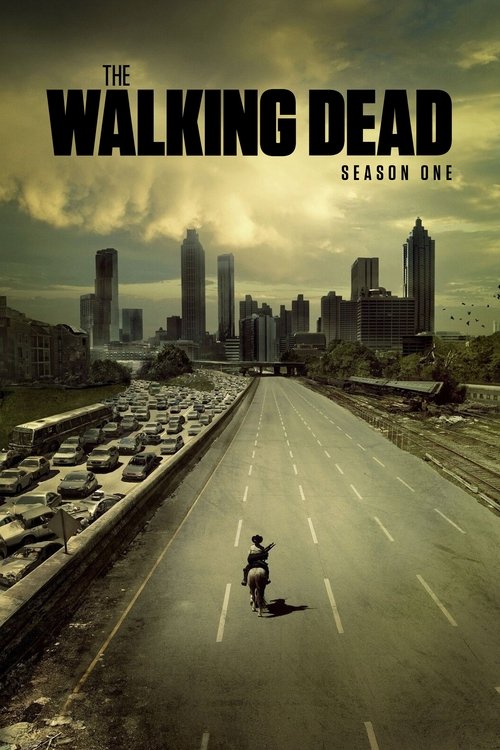
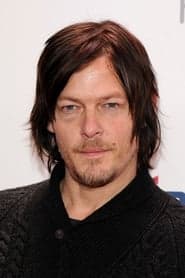
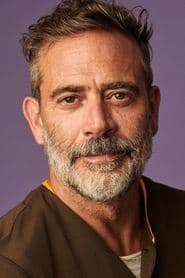
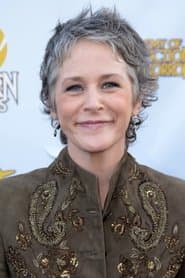
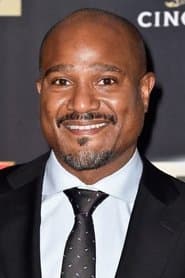
The Walking Dead Season 1, released in 2010, delivers a gripping, traditional post-apocalyptic survival story centered on Rick Grimes' quest to reunite with his family amid a zombie outbreak, with themes purely focused on human resilience, leadership struggles, moral dilemmas in crisis, and group dynamics under extreme pressure. Casting is largely faithful to Robert Kirkman's comics, including Steven Yeun as Glenn (an Asian character in the source material), while TV-original additions like T-Dog (a black survivor played by IronE Singleton) and Daryl Dixon (Norman Reedus) feel organic to the Atlanta setting and expand the ensemble without altering core identities or pushing identity politics. There are no race-swaps, gender-swaps, or forced diversity clashes; the group's makeup reflects a realistic cross-section of survivors. No explicit social justice lectures, critiques of systemic issues, or prominent non-traditional representations drive the narrative—any minor interpersonal tensions, like brief racial undertones in the camp, serve the story's exploration of human flaws rather than activism. Creator interviews from the era, including from Kirkman and showrunner Frank Darabont, emphasize zombie horror, character survival, and entertainment value, with zero mention of progressive intent or inclusion mandates. Reception was overwhelmingly positive, hailed as a landmark horror-drama without 'woke' backlash; criticisms later in the series do not retroactively apply to this pristine, apolitical debut season that prioritizes tense storytelling and entertainment over any ideological agenda.