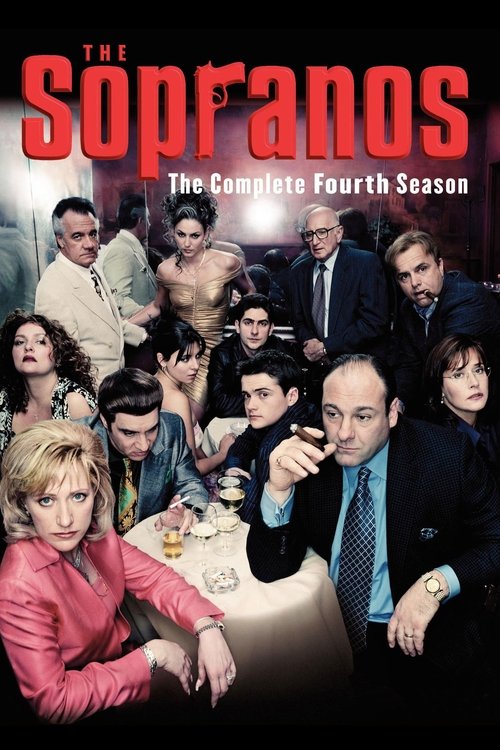
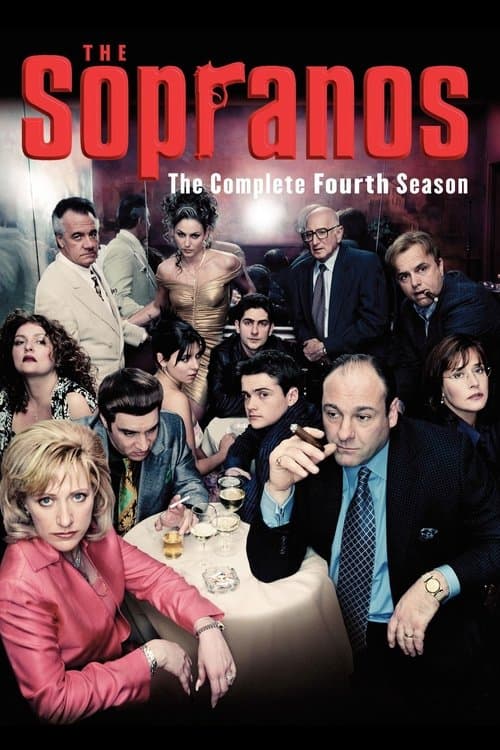
The Sopranos Season 4 exhibits virtually no progressive ideological influence, adhering to traditional mafia storytelling centered on power struggles, family dysfunction, economic pressures from recession, criminal trials, and personal relationships like Carmela's attraction to Furio and Janice's interest in Bobby. Casting remains authentically Italian-American with actors like James Gandolfini, Edie Falco, and Michael Imperioli perfectly suited to mobster roles, showing no evidence of race-swapping, gender changes, or forced diversity that clashes with the source material or historical setting. Themes explore psychological depth through Tony's therapy, mob violence, and interpersonal betrayals, but without lectures on systemic oppression, identity politics, or social justice activism. Minor college scenes, such as Meadow's oversensitive roommate Caitlin freaking out post-9/11 or dorm debates over Columbus, satirize fragile liberal sensibilities rather than promote them, aligning with the show's pattern of critiquing all ideologies equally. Creator David Chase's intent, per available discussions, focuses on character realism and human flaws, not inclusion mandates or challenging norms for activist purposes. Reception is overwhelmingly positive as peak television, with no contemporary or retrospective backlash decrying it as 'woke' or 'DEI-driven'; if anything, modern analyses hail it as an anti-woke critique of political correctness and hypersensitivity.