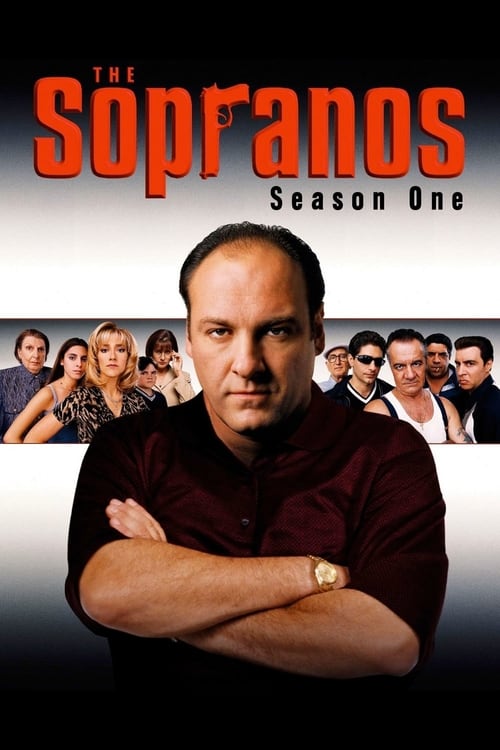
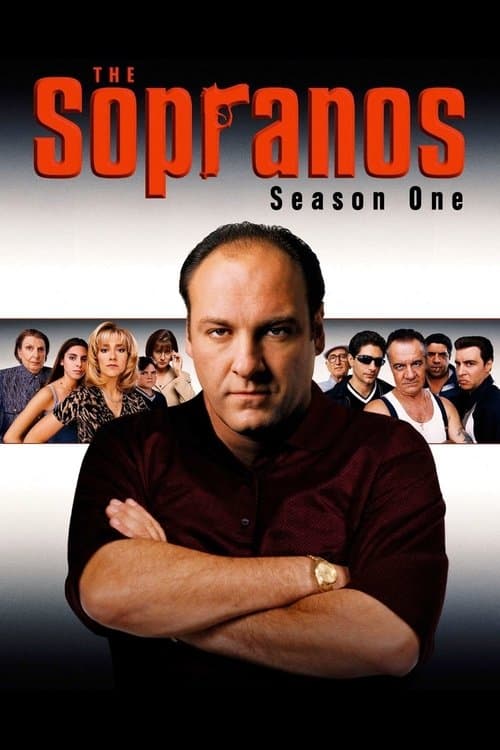
The Sopranos Season 1, released in 1999, exhibits virtually no progressive ideological influence, focusing instead on a gritty, realistic portrayal of Italian-American mob life, family dysfunction, criminal enterprise, and Tony Soprano's personal psychological struggles via therapy. Casting is organically aligned with the New Jersey mob setting, featuring actors like James Gandolfini, Edie Falco, and a predominantly white Italian-American ensemble that matches the source material without race-swapping, gender changes, or forced diversity quotas. Themes center on traditional masculinity under strain, loyalty, violence, and mental health explored through a hyper-macho criminal lens rather than social justice advocacy or systemic critiques of patriarchy, capitalism, or identity politics. There are no lecture moments, prominent LGBTQ+ representation, or overt messaging; any female characters like Dr. Melfi or Carmela are strong but incidental to a narrative driven by male mob dynamics. Creator David Chase's intent, as reflected in contemporary interviews, emphasized groundbreaking character depth and entertainment over activism. Reception was overwhelmingly positive as peak television, with no contemporary or retrospective backlash labeling it 'woke'—modern discussions often position the show as a critique of or antithesis to woke culture, highlighting its un-PC violence and ethnic insularity.