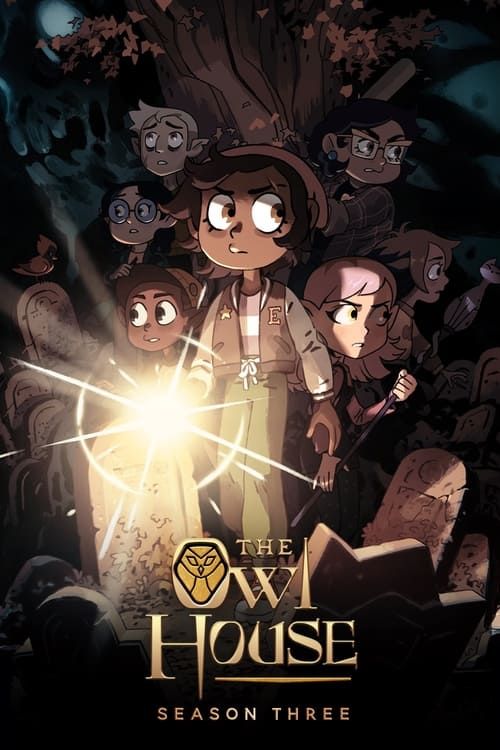
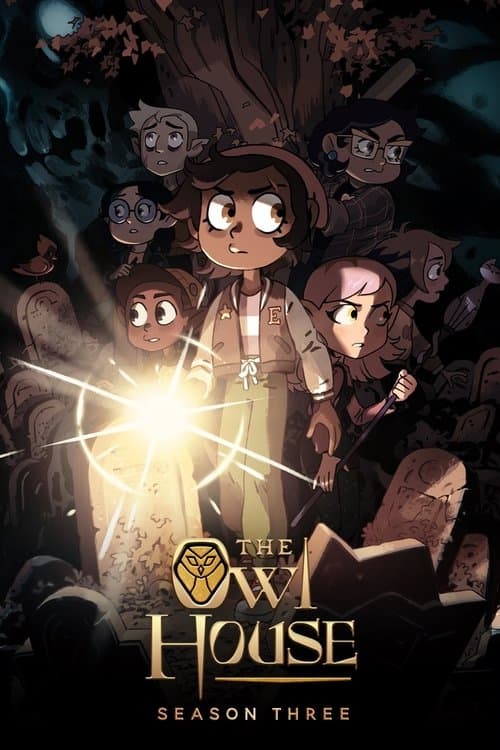
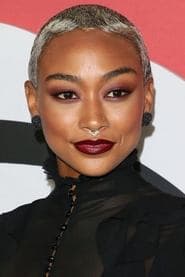
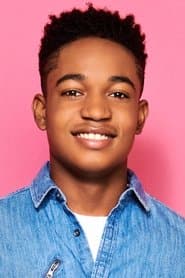
The Owl House Season 3 heavily integrates progressive ideological elements, particularly through its prominent and overt LGBTQ+ representation that serves as a focal point of the storytelling. The central relationship between bisexual Latina protagonist Luz Noceda and her girlfriend Amity Blight is prominently featured with explicit romantic moments, kisses, and coming-out scenes, including Luz's full bisexuality confirmation in the premiere special 'Thanks to Them.' Multiple supporting characters are queer, such as non-binary headwitch Raine Whispers and others, normalized without conflict in the fantasy setting. Creator Dana Terrace, who is bisexual, has repeatedly expressed activist intent to push queer representation in Disney animation, fighting executives who tried to block it and emphasizing inclusivity as core to the show's identity. Themes extend to anti-fascist messaging (villain Belos as a fascist puritan), rejection of authority and norms, intersectional acceptance, and found family dynamics that align with social justice motifs. Voice casting is notably diverse with POC actors like Sarah-Nicole Robles (Luz), Issac Ryan Brown (Gus), and Tati Gabrielle in key roles, fitting organically for a modern kids' show but amplifying identity politics. While the high-quality storytelling and entertainment value prevent it from fully dominating over plot, the queer elements are so central they sparked praise as Disney's 'gayest' content and some backlash, with viewers labeling it 'woke,' skipping Season 3, and attributing the shortened three-special format (instead of full episodes) to Disney's discomfort with the content amid budget excuses. Reception splits along ideological lines: progressive acclaim for groundbreaking rep versus conservative criticism of forced messaging.