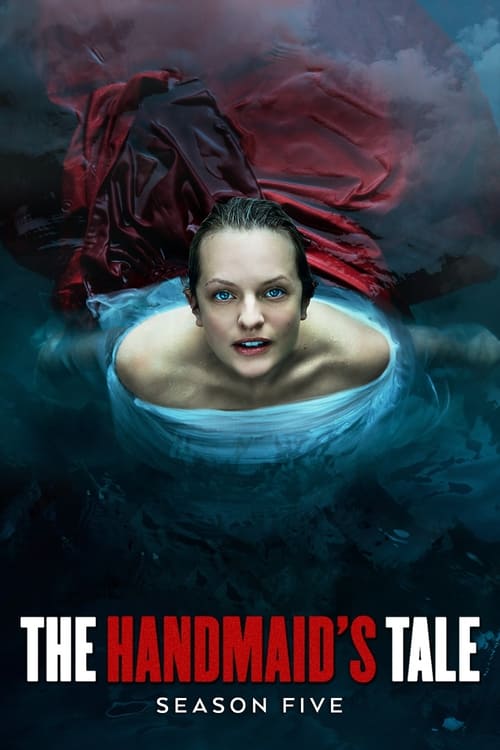
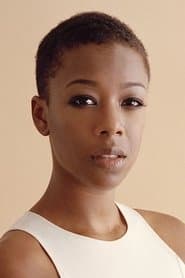
The Handmaid's Tale Season 5 maintains the series' overwhelming progressive ideological core, with storytelling dominated by feminist critiques of patriarchal religious authoritarianism, women's bodily autonomy, and systemic oppression in Gilead. June's arc explores vengeance against oppressors but reinforces narratives of female resistance and empowerment, while plots like Gilead's creeping influence into Canada and Serena's widowhood highlight far-right threats and complicit traditionalism. Casting features prominent diversity updates from the source material, such as Black actors O-T Fagbenle as Luke and Samira Wiley as Moira, alongside LGBTQ+ representation like Emily's lesbian storyline influencing character motivations. Showrunner Bruce Miller has emphasized the season's ties to real-world tyranny, including far-right elements, positioning the show as activist commentary. These elements integrate deeply into plot, arcs, and dialogue, prioritizing ideological messaging over pure entertainment, evidenced by polarized reception: 80% critic approval versus a dismal 24% audience score on Rotten Tomatoes, with complaints of preachiness, 'girl boss' excess, repetition, white feminism sidelining POC despite diversity, and gender role reversals alienating viewers.