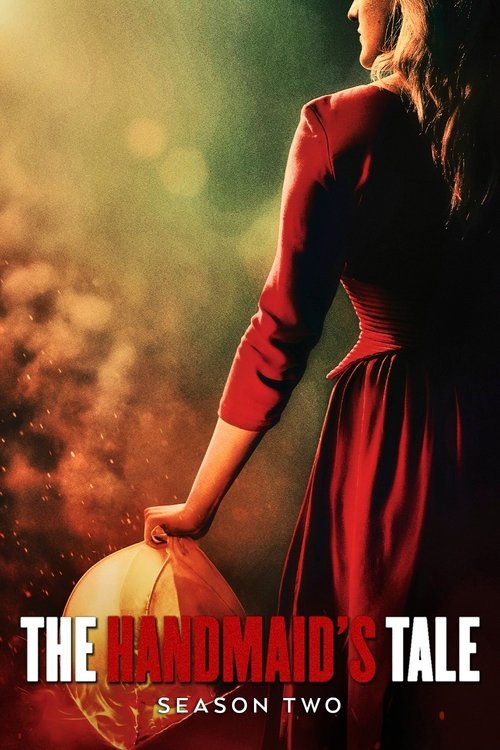
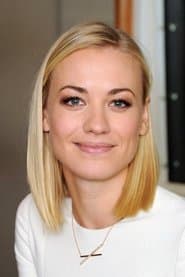
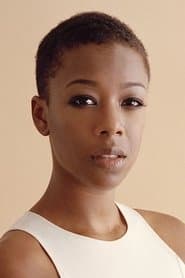
Season 2 of The Handmaid's Tale intensifies the core progressive feminist messaging from the source material, with Offred/June's pregnancy arc driving explorations of bodily autonomy, resistance to patriarchal control, and the internalization of oppression ('Gilead is within you'). Narrative heavily features systemic critiques of religious extremism, forced breeding, and gender hierarchies, including female-led protests and solidarity against male dominance. LGBTQ+ representation is prominent through Moira's ongoing story as a lesbian refugee struggling post-Gilead, blending identity politics with survival themes. Casting incorporates diversity with black actors like Samira Wiley (Moira) and O-T Fagbenle (Luke) in key roles, expanding beyond the book's focus, though this drew 'white feminism' backlash for centering white women's suffering while marginalizing women of color. Creator Bruce Miller highlighted ties to MeToo, race in Gilead, and challenging norms in interviews, signaling activist intent to make the dystopia resonate with contemporary social justice issues. Audience reception was largely positive critically, with some conservative viewers decrying it as woke rhetoric lacking storyline and left-leaning critics faulting insufficient intersectionality, but no widespread 'go woke go broke' failure as it maintained high viewership and awards.