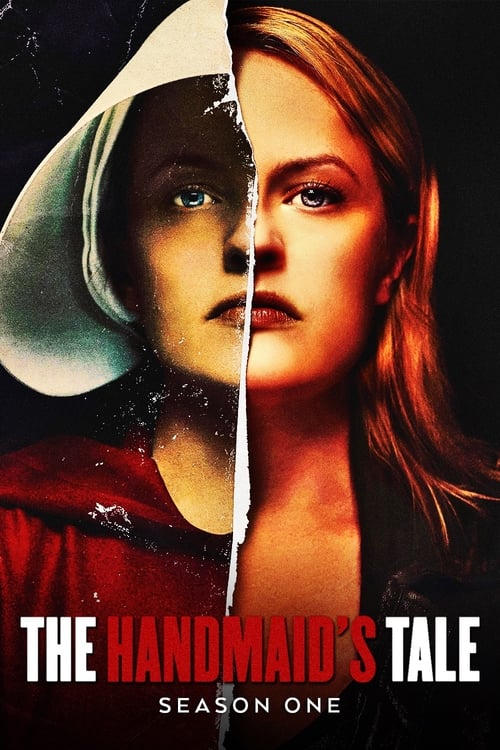
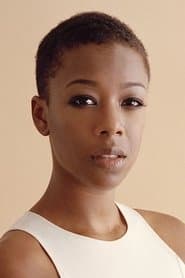
Season 1 of The Handmaid's Tale delivers heavy progressive messaging through its core dystopian premise, portraying a theocratic regime that enforces patriarchal control, ritualized rape for reproduction, and subjugation of women, explicitly critiquing traditional religious norms, bodily autonomy denial, and authoritarianism in ways that resonated as anti-Trump allegory during its 2017 release. Storytelling is dominated by feminist themes of resistance against systemic oppression, with amplified LGBTQ+ elements like Moira's queer escape arc and Ofglen's 'gender traitor' persecution, including forced genital mutilation not in the book. Casting introduces unjustified diversity changes from the source material—black actors Samira Wiley as Moira and O-T Fagbenle as Luke, biracial daughter Hannah, and POC Handmaids in a society the novel depicts as racist with segregated 'National Homelands' for non-whites—creating a post-racial Gilead that critics lambasted as forced inclusion and white feminism ignoring intersectional racism. Showrunner Bruce Miller modernized for contemporary relevance without overt activist intent but emphasized timeless warnings, while Elisabeth Moss discussed her evolving feminism; Atwood consulted but the adaptation leans into identity politics. Reception mixed critical acclaim with conservative backlash decrying it as anti-Christian propaganda and liberal scaremongering, plus left-wing critiques of racial tokenism, solidifying its role as progressive activism icon without derailing quality.