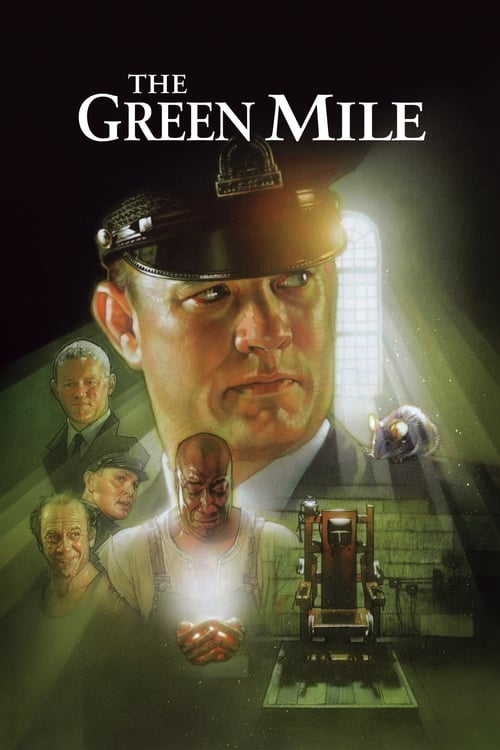
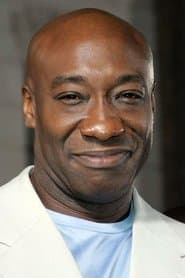
The Green Mile features minor progressive elements through its portrayal of racism in the 1930s American South, including the wrongful conviction and execution of the innocent Black prisoner John Coffey, who embodies a Christ-like healer figure. This theme is organic to the historical setting and Stephen King's source material, serving the supernatural redemption story rather than dominating or lecturing on systemic issues. Casting is faithful to the novel, with Michael Clarke Duncan's acclaimed performance as the gentle giant fitting the character's description without race- or gender-swapping. There are no prominent LGBTQ+ representations, DEI mandates, identity politics, or overt social justice activism from creators Frank Darabont or Stephen King, whose interviews focus on emotional storytelling, faith, and humanity. Modern retrospective critiques label it a 'Magical Negro' trope, but this stems from left-leaning analyses rather than right-wing 'woke' backlash, and the film enjoyed universal acclaim and commercial success without controversy at release. Overall, the narrative prioritizes entertainment, miracles, and moral complexity over contemporary ideological messaging, making it a timeless, apolitical drama.