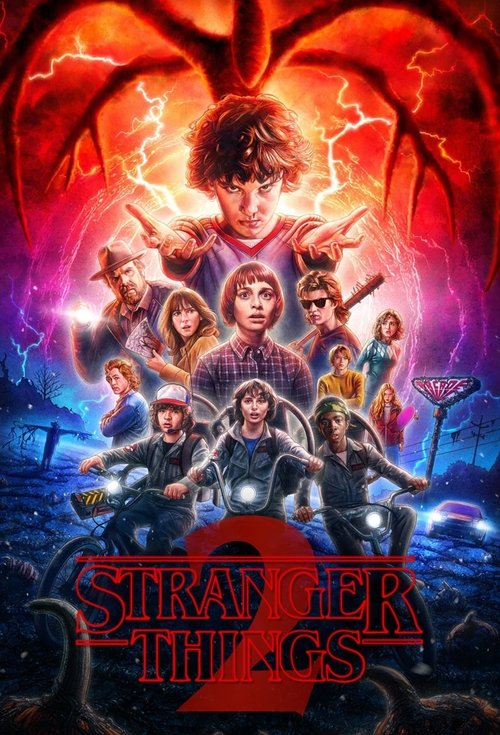
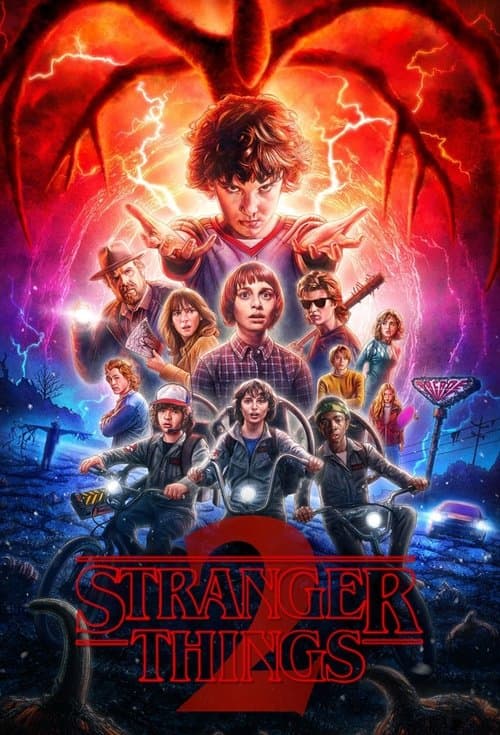
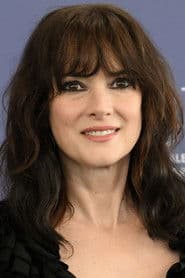
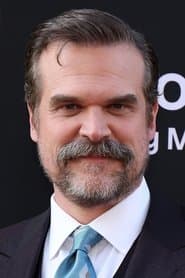
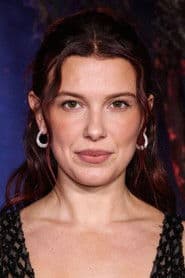
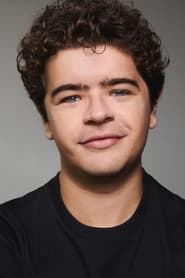
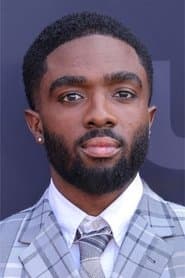
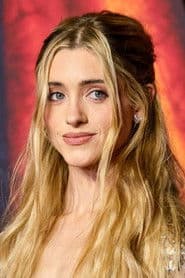
Stranger Things Season 2 features minor incidental progressive elements that do not drive the narrative or dominate storytelling. The cast includes organic diversity for an ensemble kids' group: Caleb McLaughlin as Lucas (Black), Gaten Matarazzo as Dustin (actor with real-life cleidocranial dysplasia portrayed authentically), and strong female leads like Eleven (Millie Bobby Brown), Max (Sadie Sink, tomboy skater), Joyce (Winona Ryder), and Nancy (Natalia Dyer). No race/gender/sexuality swaps or forced DEI clashes with the 1980s Indiana setting. New character Kali (Eight, brown-skinned woman with powers leading a diverse revenge gang) introduces a subplot touching on racial injustice and revenge against oppressors (e.g., racist cops), evoking rainbow coalition/BLM imagery, but Eleven rejects the radical violence to prioritize family and non-violence, deradicalizing it. Billy's aggression toward Lucas implies subtle racism, tied to child abuse backstory. Other themes like PTSD (Will), bullying, and corruption are universal, integrated into horror/sci-fi plot without lectures. 2017 reception was overwhelmingly positive (massive hit, high RT/IMDb scores), with criticisms from progressive outlets (e.g., Salon, Women's Media Center, America Magazine) decrying insufficient depth in race/gender handling, underdeveloped POC roles, and 'nostalgic' politics—not 'too woke' backlash. No creator (Duffer Brothers) interviews emphasize activism or inclusion mandates for S2; X/web searches show zero contemporary 'woke' or 'SJW' complaints, unlike later seasons. Elements feel entertainment-focused, nostalgic 80s homage without prioritizing identity politics.