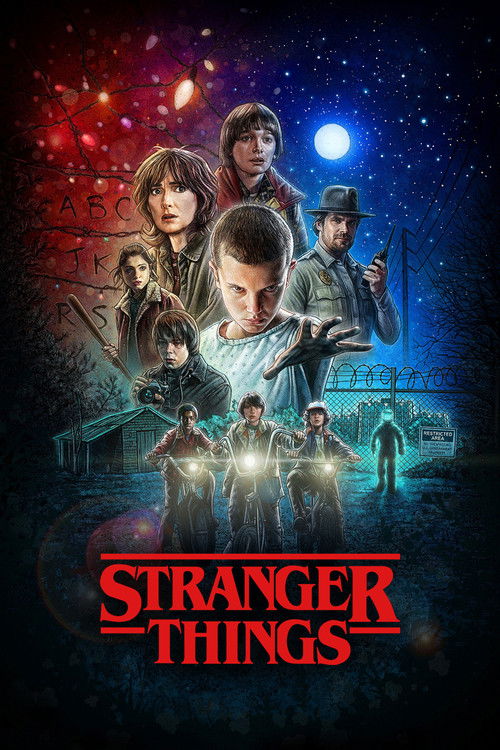
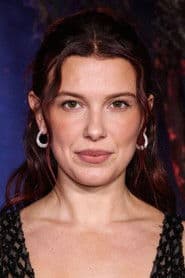
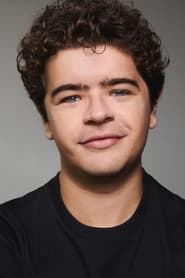
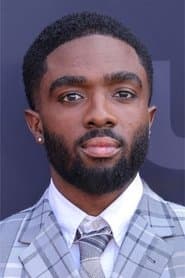
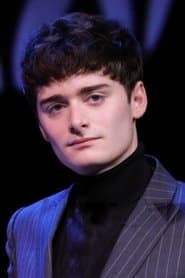
Stranger Things Season 1 (2016) exhibits minor incidental progressive elements primarily through its casting, which includes a Black child actor (Caleb McLaughlin as Lucas) and an actor with cleidocranial dysplasia (Gaten Matarazzo as Dustin) among the core group of friends in a 1983 small-town Indiana setting; this diversity feels organic and not forced or clashing with the source material, as it's a modern production evoking 80s nostalgia without altering historical demographics unnaturally. There are no race-swaps, gender-swaps, or sexuality changes from any IP, and non-traditional representation (e.g., powerful girl Eleven played by Millie Bobby Brown) serves the adventure plot rather than focal social messaging. Themes center on friendship, family bonds, government conspiracy, and supernatural horror, with no explicit social justice lectures, critiques of patriarchy/systemic racism, or identity politics driving the narrative—brief bully scenes use slurs like 'fairy' toward Will, now retrospectively queer-coded by some fans amid later-season backlash, but incidental and era-appropriate without activist intent. Creator Duffer Brothers emphasized Spielberg-esque entertainment in interviews, with no evidence of DEI mandates or inclusion activism for S1. Reception was massively positive (critical acclaim, cultural phenomenon) with no contemporary 'woke' controversy or 'go woke go broke' backlash; later criticisms (e.g., racial handling of Lucas, lack of deeper POC arcs) are retrospective and series-wide, not dominating S1 analysis.