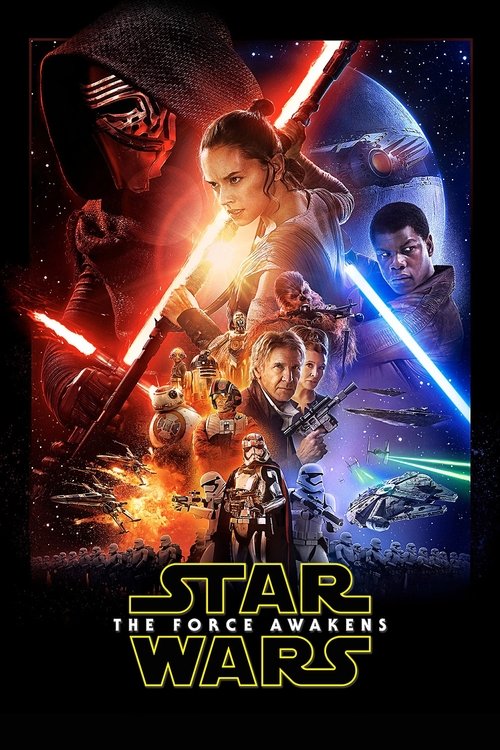
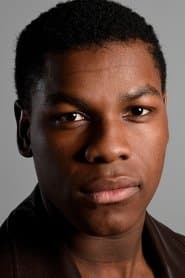
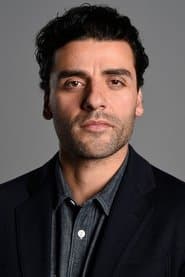
Star Wars: The Force Awakens features minor progressive elements primarily through its casting of a diverse new hero trio—Daisy Ridley as the ultra-competent female protagonist Rey, John Boyega as the black stormtrooper defector Finn, and Oscar Isaac as the Latino pilot Poe Dameron—which contrasts with the mostly white original trilogy cast. This diversity feels somewhat organic to a futuristic galaxy setting and does not clash with source material or historical context, as stormtroopers have long been depicted as multi-ethnic under armor. Rey's character arc draws light feminist undertones, with her quickly mastering Force skills, piloting, and lightsaber combat without extensive training, leading to early 'Mary Sue' criticisms from some fans who saw it as gender-empowerment wish fulfillment. However, these elements are incidental and do not drive the plot or overshadow the nostalgic adventure storytelling, which heavily rehashes A New Hope without overt social justice lectures, identity politics, or critiques of systemic issues. Creator J.J. Abrams emphasized an inclusive galaxy but without activist rhetoric specific to DEI mandates, and Kathleen Kennedy's diversity push became more pronounced in later sequels. Audience reception was overwhelmingly positive at release, with massive box office success and minimal backlash labeling it 'woke'; retrospective complaints often retroactively blame it as the start of Disney's decline but lack the intensity seen in later entries like The Last Jedi. The film's traditional entertainment focus prevails, making it a refreshing return to form unmarred by heavy ideological intrusions.