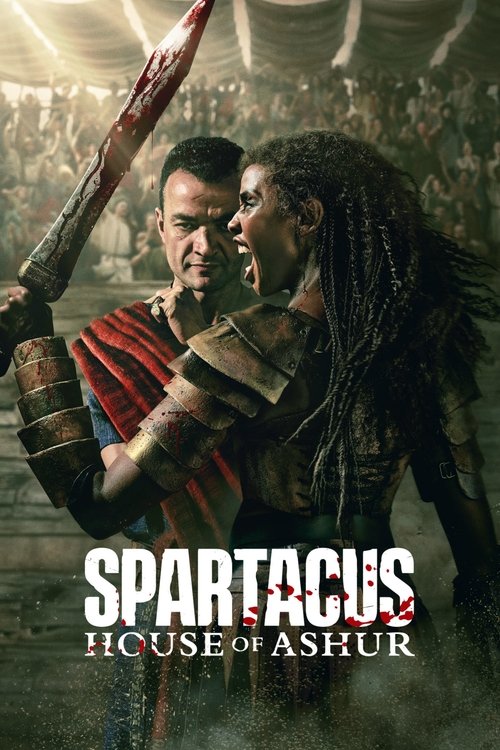
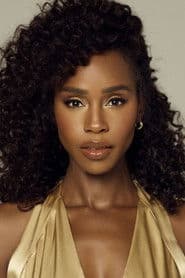
Spartacus: House of Ashur Season 1 features significant progressive elements through casting and representation that drive audience backlash and perceptions of forced diversity. A key example is Tenika Davis as Achillia, a prominent black female gladiator who engages in fights against larger male opponents, portrayed as a central fighter in a setting where such roles clash with expectations of historical male-dominated gladiatorial combat, leading to widespread complaints of unrealistic DEI insertions like a 'tiny black woman beating 200-300 pound gladiators.' Heavy homoerotic content and gay relationships are focal, with multiple nude scenes and characters depicted as gay, amplified beyond the original series to the point of viral memes claiming 'everyone's gay,' shifting from pulpy entertainment to prominent LGBTQ+ representation. While creator Steven S. DeKnight defends this as consistent with the original's interracial, same-sex relationships and strong women, the execution prompts accusations of prioritizing identity over story quality, evidenced by Rotten Tomatoes' 100% critic score versus 45% audience score, with reviews labeling it 'woke garbage' and 'feminist mess.' Themes of class/slavery echo the original without new overt social justice lectures, but casting choices and intensified sexual diversity dominate discussions, influencing plot arcs around training and ludus dynamics while alienating fans expecting traditional gladiator spectacle.