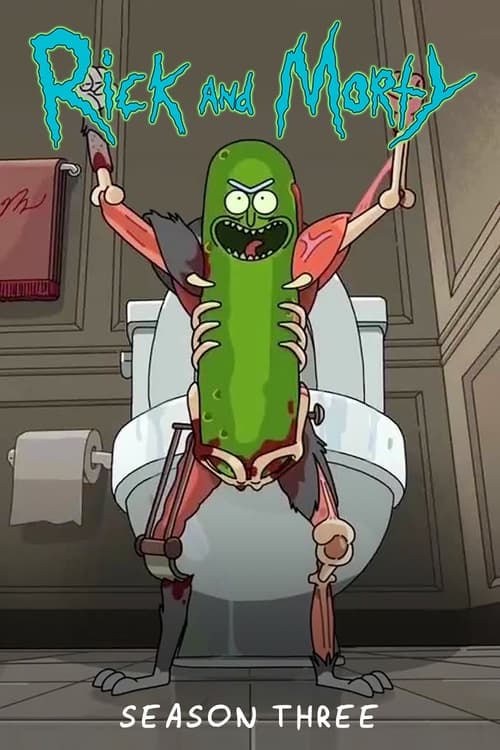
Rick and Morty Season 3 exhibits very minor progressive influences, primarily through a newly gender-balanced writers' room (50/50 male-female) that resulted in stronger character arcs for Beth and Summer, addressing prior criticisms of underdeveloped female roles. One episode, 'The Ricklantis Mixup,' delivers bold political satire critiquing fascism, class struggle, and flawed democracy in the Citadel of Ricks, mirroring real-world politics in a dark, nihilistic manner without preachiness or resolution favoring social justice ideals. Casting sticks to the original all-white main voice cast (Roiland, Parnell, Grammer, Chalke) with no race/gender/sexuality swaps or forced diversity; a notable controversy involved Susan Sarandon voicing Asian therapist Dr. Wong, sparking whitewashing backlash rather than DEI praise. Themes across episodes like Pickle Rick (mocking therapy culture) and Vindicators (parodying superhero tropes) prioritize absurd sci-fi humor, family dysfunction, and existential nihilism over identity politics or systemic critiques. Creators Dan Harmon and Justin Roiland focused interviews on narrative innovation and fan expectations, not activism or inclusion mandates. Reception was overwhelmingly positive as the show's peak season, with fandom issues centered on toxicity and Szechuan sauce hype, not 'woke' complaints—some fans preemptively labeled new writers as SJWs, but no 'go woke go broke' fallout occurred.