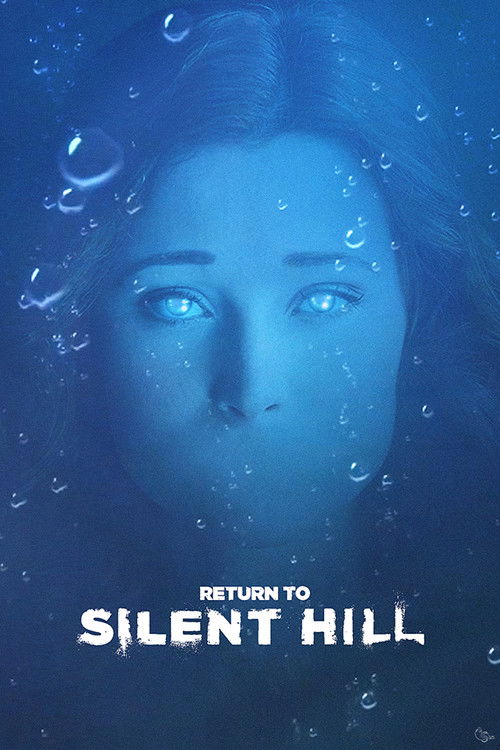
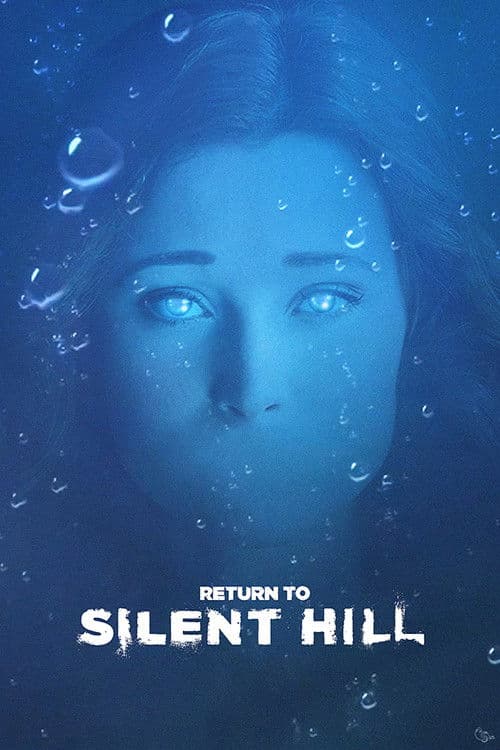
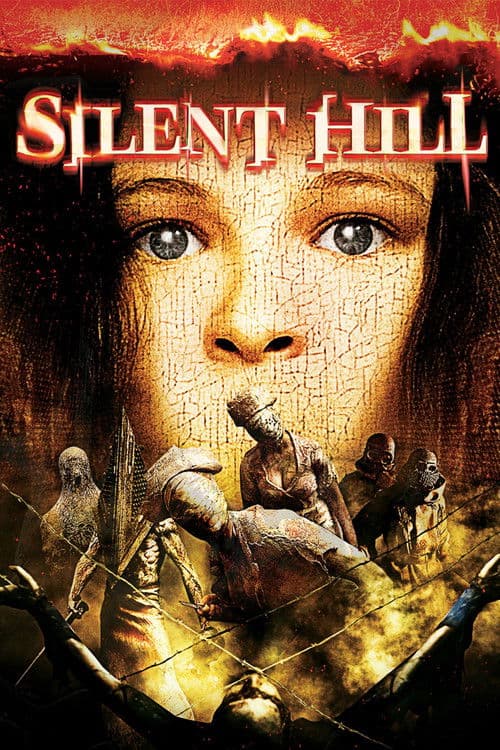
Return to Silent Hill is a faithful yet flawed adaptation of Silent Hill 2's psychological horror narrative, focusing on personal guilt, loss, and monstrous manifestations of the psyche without injecting contemporary progressive ideologies. Casting adheres closely to the source material, with Jeremy Irvine as the white male protagonist James Sunderland and Hannah Emily Anderson embodying Mary/Maria/Angela aspects, featuring a predominantly white ensemble that drew minor complaints for lacking diversity rather than backlash for forced inclusion. No race-swaps, gender-swaps, or unjustified DEI alterations are present; any incidental diversity feels organic and background. Thematic changes, such as merging characters and reframing Mary's death as cult-induced euthanasia requested by her, blunt the game's raw guilt but steer toward romantic heroism, earning scathing reviews for misogyny and betraying female characters' depth—not for social justice preaching. Director Christophe Gans emphasizes romanticism and visual fidelity to the game, with no creator statements on activism or norm-challenging. Reception is overwhelmingly negative for pacing, CGI, and narrative dilution, but audience and critic discourse fixates on adaptation failures, not 'woke' elements, highlighting a refreshing absence of identity politics or lectures that plague modern media. This purity of entertainment intent, unmarred by ideological intrusions, preserves the horror genre's traditional strengths.