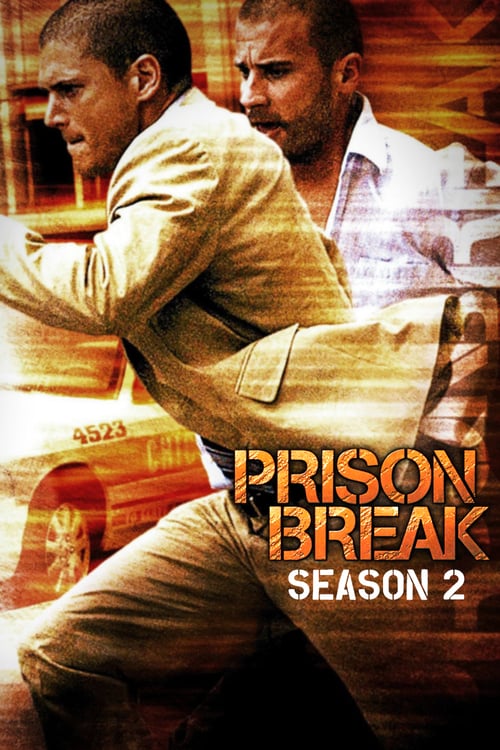
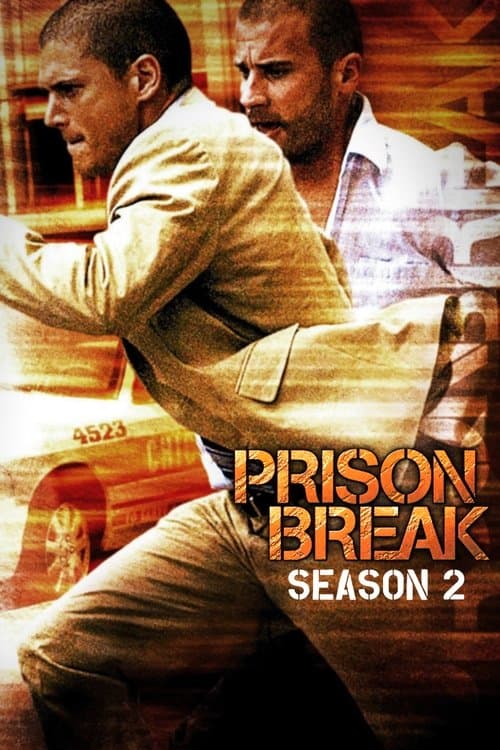
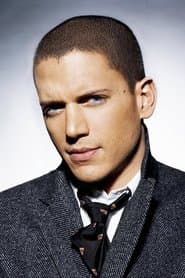
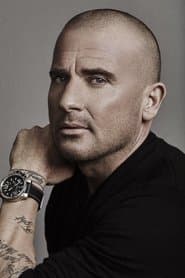
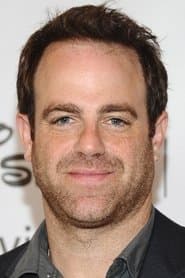
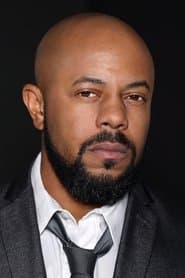
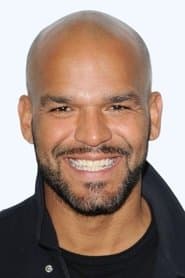
Prison Break Season 2 is a prime example of early 2000s television entertainment at its finest, unburdened by contemporary progressive ideological influences. The show's diverse cast, including Rockmond Dunbar as C-Note and Amaury Nolasco as Sucre, integrates organically into the prison escape narrative, reflecting realistic demographics without any sense of forced inclusion or DEI mandates. There are no race-swaps, gender-swaps, or sexuality alterations from source material (as it's an original series), and non-white characters like Lincoln Burrows (Dominic Purcell's brother, framed in a conspiracy) drive plots through personal stakes like family loyalty rather than identity politics or systemic oppression lectures. Themes center on high-stakes survival, ingenious escapes, corporate-government conspiracy, and betrayal, with any 'injustice' motifs serving the thriller plot rather than promoting social justice activism. Creator Paul Scheuring's interviews from the era emphasize suspense and character-driven drama, not activist intent. Reception highlights the season's tension and pacing as peak television, with zero notable backlash for 'woke' elements, controversies, or political messaging—criticisms focus solely on plot repetition or pacing, not ideology. This purity allows the storytelling to shine as neutral, thrilling escapism without ideological distractions.