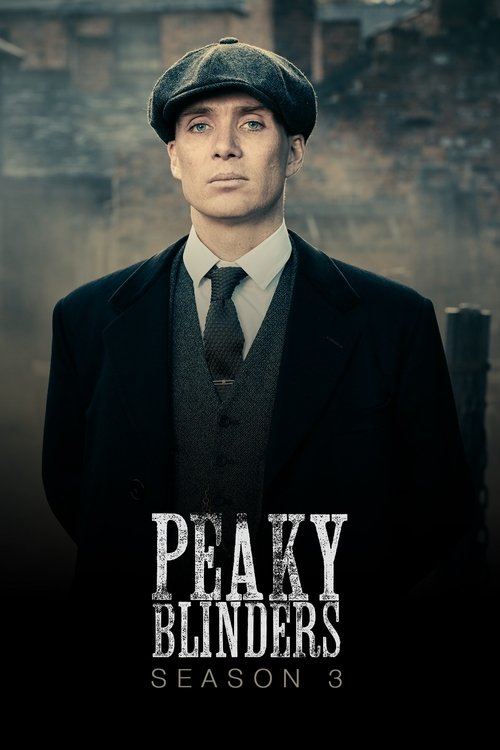
Peaky Blinders Season 3 maintains a traditional, entertainment-driven gangster narrative set in 1924 Birmingham, centered on Tommy Shelby's quest for legitimacy amid family loyalties, criminal enterprises, and historical intrigues involving communists, fascists, and the IRA. Casting is historically accurate with an all-white ensemble reflecting the Irish-Romani gang's origins, including Cillian Murphy, Paul Anderson, and Helen McCrory, with no race-swapping, gender alterations, or forced diversity that clashes with the era. Themes explore power, betrayal, and class ascent without modern social justice lectures, systemic critiques, or identity politics; political elements are organic to the period, viewed through a pragmatic criminal lens rather than moralizing activism. An isolated Reddit complaint labels Episode 4 'feminist anarchy' due to women managing business in men's absence, but reviews praise this as fitting character dynamics (e.g., Polly's strength), not ideological intrusion, and it does not permeate the season. Creator Steven Knight's interviews emphasize gritty historical drama without progressive mandates. No significant audience backlash, DEI controversies, or 'go woke go broke' narratives; the season is widely acclaimed for storytelling quality, confirming its neutral, apolitical focus on riveting entertainment.