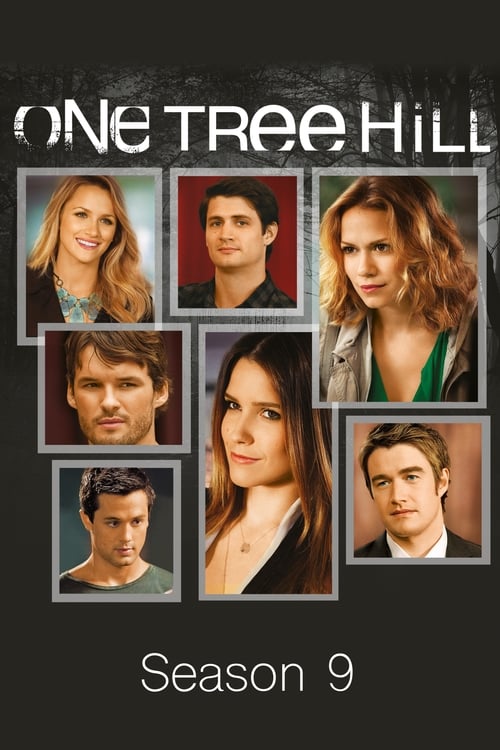
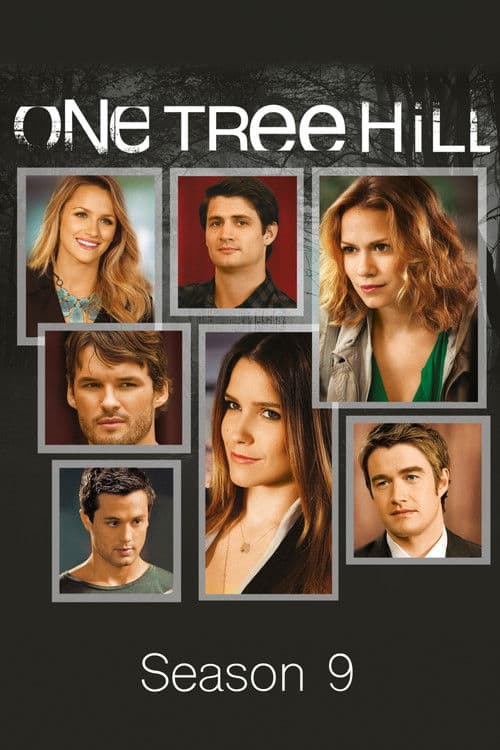
One Tree Hill Season 9 delivers a classic teen-to-adult drama centered on timeless themes of family struggles, personal redemption, relationships, parenthood, addiction recovery, and forgiveness, with no intrusion of progressive ideological messaging, identity politics, or social justice lectures. The storytelling remains purely entertaining and character-driven, focusing on crises like Nathan's kidnapping, Brooke's family threats, and Mouth's weight issues handled as individual arcs rather than systemic critiques. Casting is organic to the established small-town North Carolina setting, featuring a predominantly white ensemble consistent with prior seasons and the source material's roots, with minor recurring diverse characters like Skills Taylor not altering narratives or serving as focal points for activism. No race/gender/sexuality swaps, forced diversity, or prominent LGBTQ+ representation drive the plot; earlier seasons had brief bisexual elements, but Season 9 has none. Creator Mark Schwahn emphasized dramatic complexity and closure without stated activist intent. Audience reception criticizes the season's bizarre plots and unlikeable characters but praises its emotional finale, with zero backlash over 'wokeness,' DEI, or political content—retrospective notes highlight the show's actual lack of racial diversity as a flaw by modern standards, underscoring its traditional neutrality.