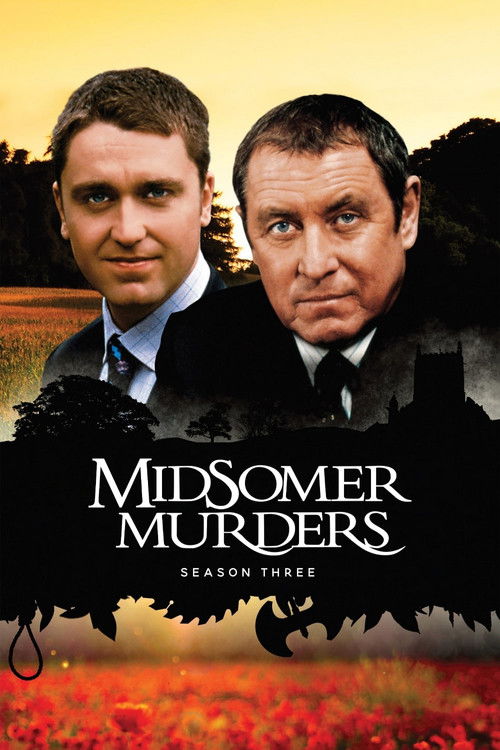
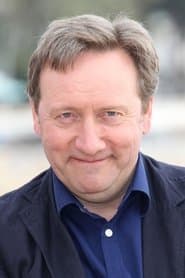
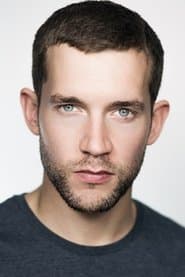
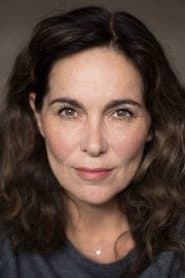
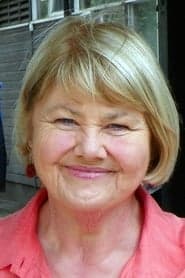
Midsomer Murders Season 3, aired in 1999-2000, exemplifies traditional British cozy mystery storytelling with zero progressive ideological influence. The cast, led by John Nettles as DCI Barnaby, Jane Wymark as his wife, Daniel Casey as DS Troy, and Laura Howard in a supporting role, is entirely white British actors in conventional gender roles, perfectly suiting the idyllic rural English village settings without any race-swapping, gender-swapping, or forced diversity that clashes with the source material or era. Episode plots, such as 'Death's Shadow' involving horse racing scandals, 'Strangler's Wood' with serial killings echoing past crimes, 'Dead Man's Eleven' centered on village cricket rivalries, 'The Detective's Daughter' about family secrets, and 'Market for Murder' with rural intrigue, focus purely on whodunit entertainment, local hypocrisies, and implausibly high murder rates in quaint hamlets, devoid of any social justice lectures, critiques of patriarchy, capitalism, systemic racism, or identity politics. There are no prominent LGBTQ+ characters, activist subplots, or messaging on contemporary issues. The show's early ethos, later articulated by producer Brian True-May who insisted on an all-white cast to preserve its 'bastion of Englishness,' directly rejects DEI mandates, and no creator interviews from the period indicate progressive intent. Audience sentiment, including recent X posts and Reddit discussions, nostalgically praises early seasons like Season 3 as free from the 'woke' elements that plague later series, such as diverse casting and modern agendas, confirming its neutral, apolitical charm.