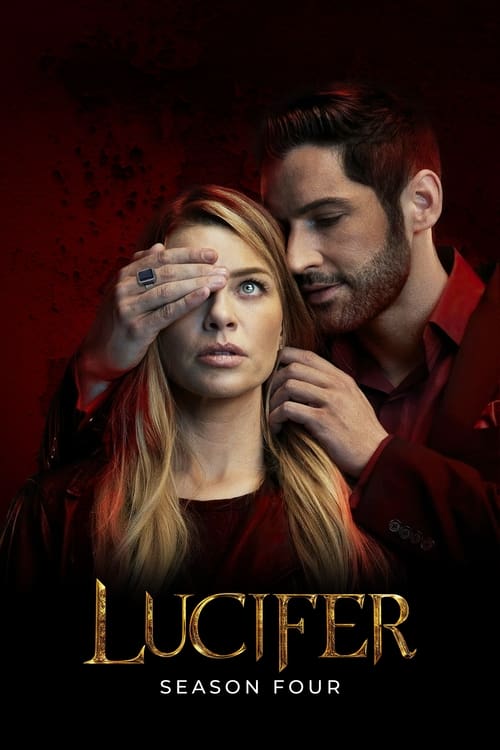
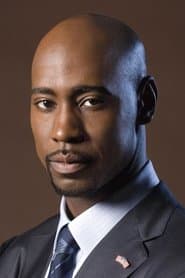
Lucifer Season 4 incorporates noticeable progressive ideological elements that influence key subplots and character arcs without fully dominating the narrative. A prominent example is Episode 8, 'Super Bad Boyfriend,' which centers on Amenadiel experiencing racial profiling, police overreach, and systemic racism for the first time, framed through his mentorship of a Black teenager leading to tragedy; this has been critiqued as heavy-handed 'Netflix social justice' preaching with poor representation. The season also features a significant bisexual romance between Maze and Eve, highlighting LGBTQ+ representation and celebrated in queer media but dismissed by some fans as contrived inclusion. The diverse cast, including Black angels like Amenadiel and Latino officers, is organic to the LA setting yet emphasized by actor D.B. Woodside as intentionally tackling race, mixed-race identity (via the half-angel child metaphor), and inclusion, with writers cautiously addressing these topics. No unjustified source alterations or overt lectures permeate the main Lucifer-Chloe-Eve-prophecy storyline, and reception remains overwhelmingly positive with no 'go woke go broke' backlash, but these elements mark a shift toward contemporary social justice themes post-Fox to Netflix.