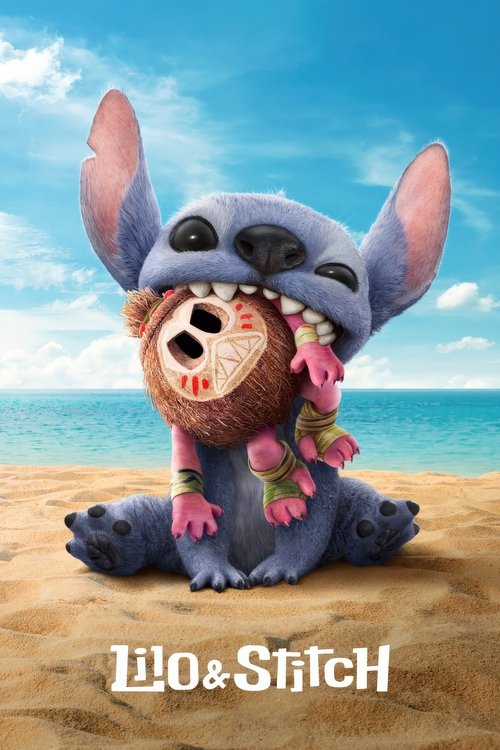
The live-action Lilo & Stitch remake embeds progressive ideology deeply into its core family premise and resolution, compromising the original's timeless message of unbreakable 'ohana' bonds with modern individualistic empowerment narratives that prioritize personal dreams and state intervention over traditional family unity. Nani's arc is fundamentally altered: instead of fighting to keep Lilo as in the original, she surrenders custody to a neighbor after a surfing mishap, pursuing marine biology studies in California while relying on a magical portal gun for visits, with the social worker portrayed as a benevolent guide using phrases like 'a hui hou kākou' to normalize separation. This intrudes a critique of traditional Hawaiian family norms, framing blood and immediate family duty as secondary to self-actualization and community/state handover, directly contradicting 'nobody gets left behind' and injecting feminist-leaning individualism into a children's story. Casting controversies amplify DEI influence: Nani's lighter-skinned biracial actress sparked colorism accusations, David's recast due to past racist posts enforces progressive purity standards, and Cobra Bubbles is gender-split into a female social worker (Ms. Kekoa) and male CIA agent, diversifying authority figures without narrative need. Pleakley's queer-coding drag disguise is erased for a masculine human form, dodging overt LGBTQ+ elements but drawing backlash for sanitizing representation amid cultural wars. Director Dean Fleischer Camp defends these as 'authentic' hanai adoption expansions, but they reframe the story's emotional core around progressive flexibility in family structures, eroding the original's resistance to colonial social services. Widespread audience backlash labels it 'woke propaganda' encouraging Native families to relinquish children to the state, with boycott calls and outrage over plot ruination, confirming the ideology's centrality and detriment to pure entertainment value for impressionable young viewers.