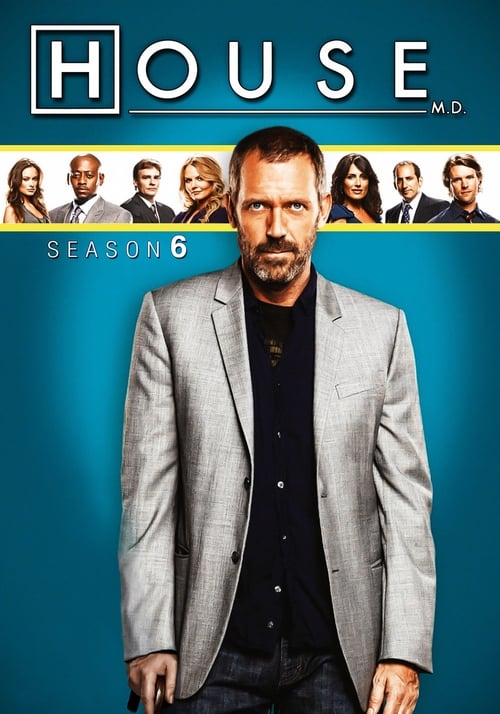
House Season 6 features minor incidental progressive elements that do not drive the core narrative of medical puzzles, House's mental health recovery arc in a psychiatric facility, and interpersonal team dynamics. The most notable is the continued storyline of Dr. Remy 'Thirteen' Hadley (Olivia Wilde), a bisexual woman with Huntington's disease, whose sexuality is occasionally referenced in episodes like 'Remorse' but integrated as part of her personal mystery rather than a focal social justice lecture; it was groundbreaking for 2009-2010 TV, eliciting some contemporary backlash including death threats to the actress, but feels organic to her character recruitment as a brilliant, enigmatic diagnostician chosen by House for her edge. Casting includes organic diversity with Omar Epps as Dr. Foreman (black male since Season 1) and the addition of Thirteen, alongside mostly white leads, without race/gender-swapping or clashes with source material (original series). Themes touch lightly on mental health stigma and relationships but prioritize cynical entertainment, House's misanthropy, and merit-based diagnostics over identity politics or systemic critiques. No evidence of creator activism, DEI mandates, or overt messaging; reception focuses on plot repetition, House-Cuddy romance flaws, and character arcs, not 'woke' complaints, with modern rewatches praising its pre-woke irreverence over current shows.