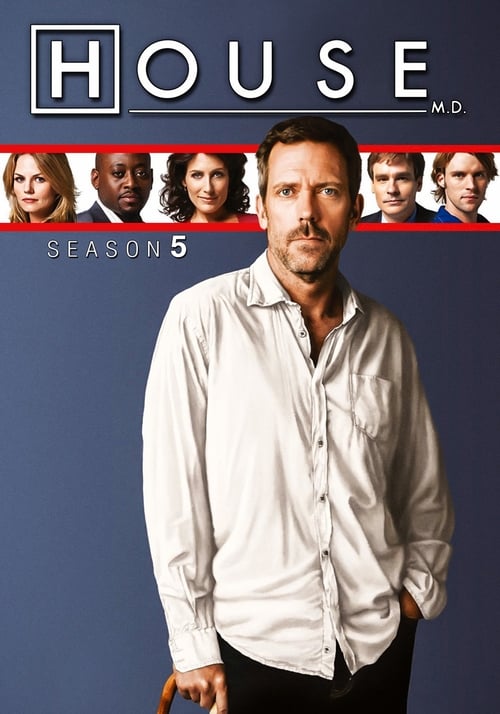
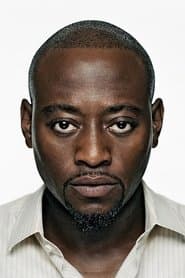
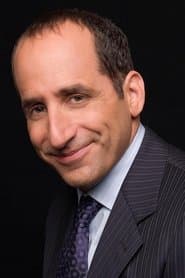
House Season 5 features minor incidental progressive elements through its casting and one character's personal arc, but these do not drive the narrative, themes, or reception in a socially activist manner. The diagnostic team includes diverse backgrounds—Omar Epps as the longstanding Black Dr. Foreman, new addition Kal Penn as Indian-American Dr. Kutner, Peter Jacobson as Jewish Dr. Taub, and Olivia Wilde as bisexual Dr. Remy 'Thirteen' Hadley—creating an organically diverse hospital staff that fits the merit-based, high-stakes medical environment without clashing with the show's cynical, apolitical tone. Thirteen's bisexuality is confirmed early in the season and explored through her reckless post-Huntington's diagnosis behavior, including a one-night stand with a woman in 'Lucky Thirteen' and a scene where she educates Wilson on bisexuality not meaning greediness; however, this is tied to her personal secrecy and self-destruction arc rather than lectures on identity politics or systemic issues, and it fades into the background amid dominant plots of grief over Amber's death, House's Vicodin-fueled hallucinations and psychosis, Wilson's life reevaluation, Cuddy's adoption struggles, and Kutner's shocking suicide. No race- or gender-swapping occurs, casting changes stem from actor departures (e.g., Penn for a White House job) rather than DEI mandates, and themes center on addiction, friendship fractures, ethical medicine, and family secrets without overt critiques of patriarchy, capitalism, or traditional norms. Creator David Shore emphasizes character secrecy and medical puzzles over activism. Reception lacks 'woke' backlash or praise for progressive messaging; controversies involve abrupt plot shocks like Kutner's death or retrospective critiques of the show's sexism and insensitivity (e.g., episodes seen as problematic for dated views on disability or gender), positioning it as traditionally entertaining rather than ideologically driven. Some interracial elements like Thirteen/Foreman drew backlash (death threats noted by Wilde), but this underscores audience resistance to diversity rather than show-imposed wokeness.