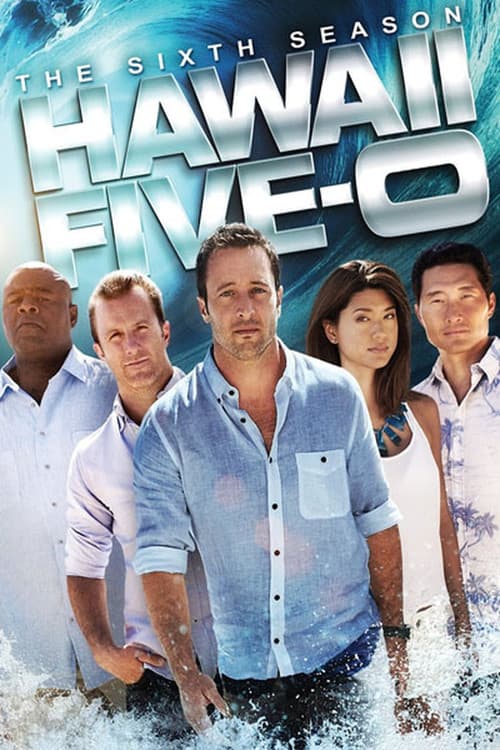
Hawaii Five-0 Season 6 maintains a traditional crime procedural format focused on high-stakes investigations like pirate treasure murders, arson copycats, human trafficking on fishing vessels, meth epidemics, and personal team arcs involving family loyalties and relationships, without injecting progressive ideological messaging. The diverse cast, including Asian-American leads like Daniel Dae Kim and Grace Park alongside white protagonists, feels organic to the Hawaiian setting and does not feature race- or gender-swapping that alters source material or drives plots unjustifiably—Kono's gender change was established in the reboot's first season. Episodes touch lightly on social issues such as child custody, autism in investigations, ethnic organized crime (e.g., Yakuza, Samoan mafia), and drug crises, but these serve the entertainment-driven narrative rather than serving as vehicles for identity politics, systemic critiques, or lectures on patriarchy, racism, or inequality. No prominent LGBTQ+ representation as a focal point, no creator statements emphasizing activism or DEI mandates, and no significant audience backlash labeling the season 'woke.' Any later pay equity disputes involving Asian cast members occurred after Season 6 and do not reflect ideological influence during production. This season prioritizes escapist action and character drama, free from the compromising intrusions of contemporary social justice activism.