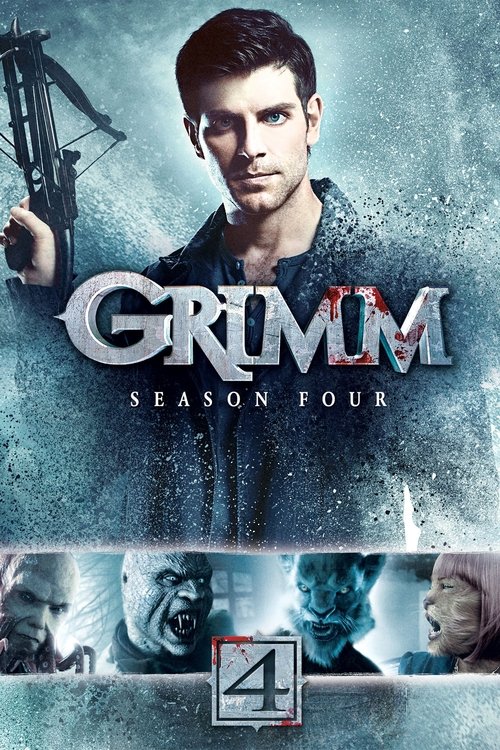
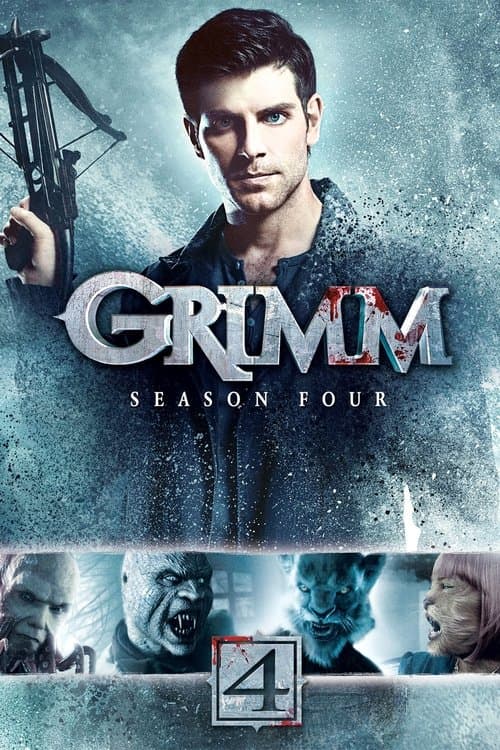
Grimm Season 4 maintains a focus on supernatural procedural storytelling, mythology, and character-driven fantasy drama without prominent progressive ideological intrusions. The cast features organic diversity reflective of a modern police precinct, including a Black detective partner (Hank Griffin) and an Asian-American sergeant (Wu), which integrates naturally into the ensemble without clashing with the source material or drawing complaints of forced inclusion. Themes of prejudice appear incidentally through fantasy metaphors, such as the Wesenrein group's purity cult opposing inter-Wesen marriages (echoing Monroe and Rosalee's union) or episodes addressing Indigenous disappearances ('Highway of Tears') and folklore spirits, but these are monster-of-the-week elements that serve the plot rather than lecturing on systemic issues. No race-swapping, gender changes, or sexuality focal points alter core characters; Juliette's Hexenbiest transformation is a supernatural plot device, not identity politics. Creators show no stated activist intent, and reception emphasizes entertainment value, plot twists, and Wesen lore over social messaging. Lacking backlash, overt critiques of norms, or DEI mandates, the season prioritizes thrilling escapism, making it a refreshing example of pre-woke era TV that entertains without compromise.