Network / Platform

Available on:
1Based
Analysis Score1/10
Agree?
TL;DR Verdict
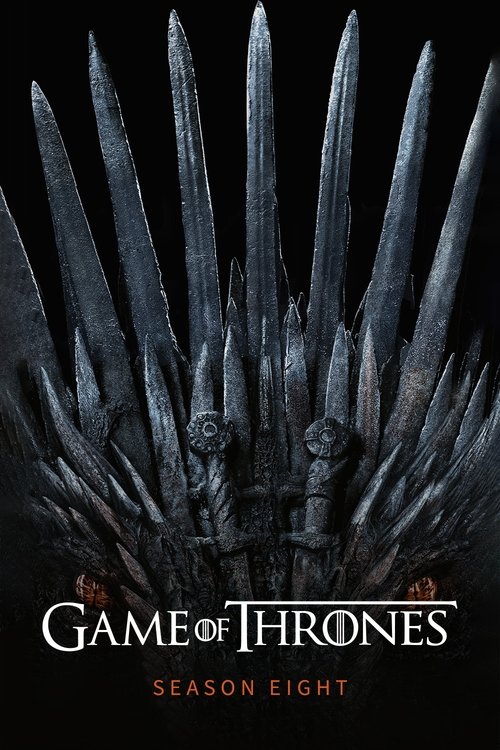
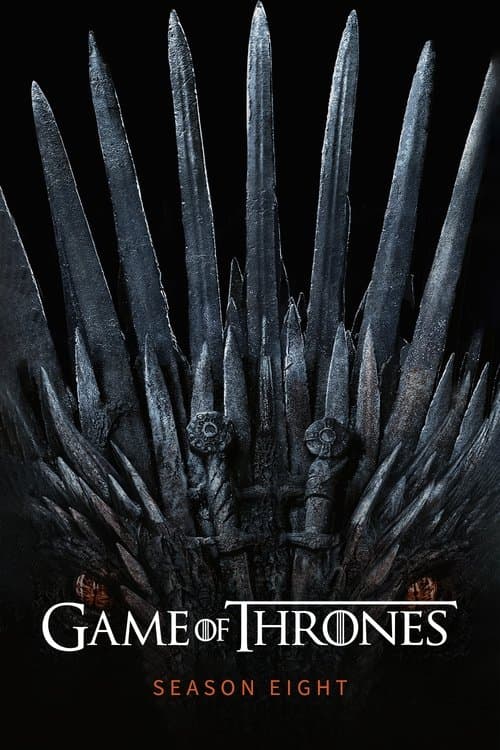
GoT S8: Woke score 1/10—pure fantasy bliss. No DEI quotas, feminist agendas, or social lectures—just raw power struggles, betrayal, and universal flaws in story-focused entertainment.
Detailed Analysis
Top Cast
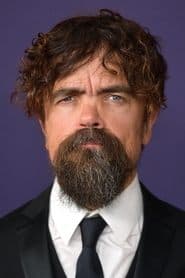
1.5
Peter Dinklage
Tyrion 'The Halfman' Lannister
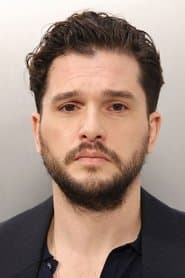
1.7
Kit Harington
Jon Snow
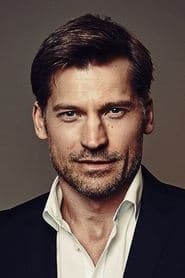
1.8
Nikolaj Coster-Waldau
Sir Jaime 'Kingslayer' Lannister
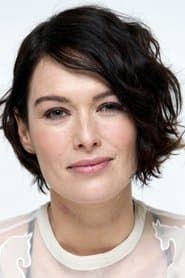
1.7
Lena Headey
Cersei Lannister
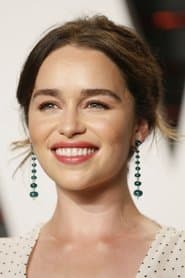
1.9
Emilia Clarke
Daenerys Targaryen
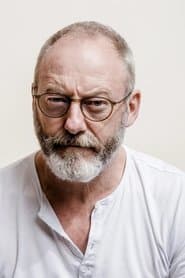
1.7
Liam Cunningham
Davos Seaworth

1.7
Maisie Williams
Arya Stark
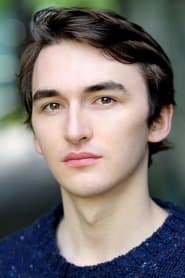
1.7
Isaac Hempstead Wright
Brandon 'Bran' Stark

1.9
Sophie Turner
Sansa Stark
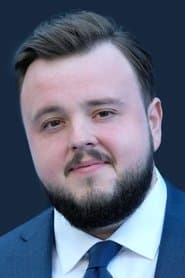
1.7
John Bradley
Samwell 'Sam' Tarly
You Might Also Like
Similar titles you might enjoy