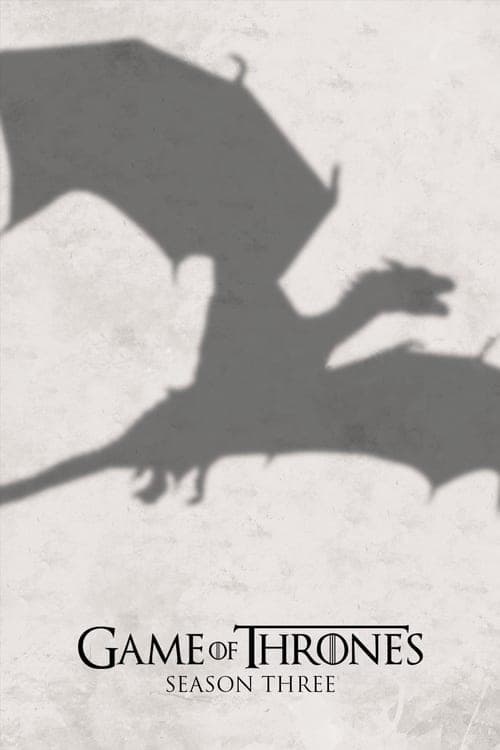
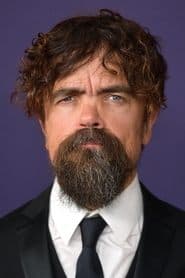
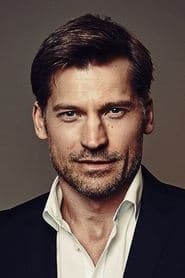
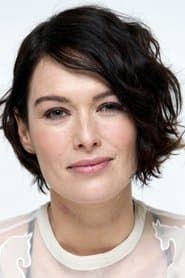
Game of Thrones Season 3, airing in 2013, adheres closely to George R.R. Martin's source material with no evidence of race-swapping, gender-swapping, or forced diversity changes that clash with the medieval fantasy setting. Casting features a predominantly white ensemble of British and Irish actors fitting the Westerosi and Northern storylines, with incidental international representation in Essos arcs like Daenerys' but nothing prominent or anachronistic. Themes center on family loyalty, betrayal, conquest, and shocking events like the Red Wedding, with strong female characters such as Cersei, Daenerys, Arya, and Sansa driving arcs through cunning, ambition, and survival rather than lectures on systemic oppression or identity politics. Daenerys' liberation of slaves has anti-slavery undertones but serves her personal conquest narrative without modern activist framing. No creator interviews from the era emphasize DEI, inclusion mandates, or challenging norms; David Benioff and D.B. Weiss focused on plot fidelity. Contemporary reception praised storytelling and production, with backlash limited to graphic violence, rape depictions, and misogyny complaints—not wokeness. Retrospective critiques (post-2017) target the series' overall lack of black characters and racial diversity, positioning it as insufficiently progressive rather than overly so. No audience or critic outcry labels Season 3 'woke'; X/Twitter searches from 2013 yield zero relevant hits for such terms.