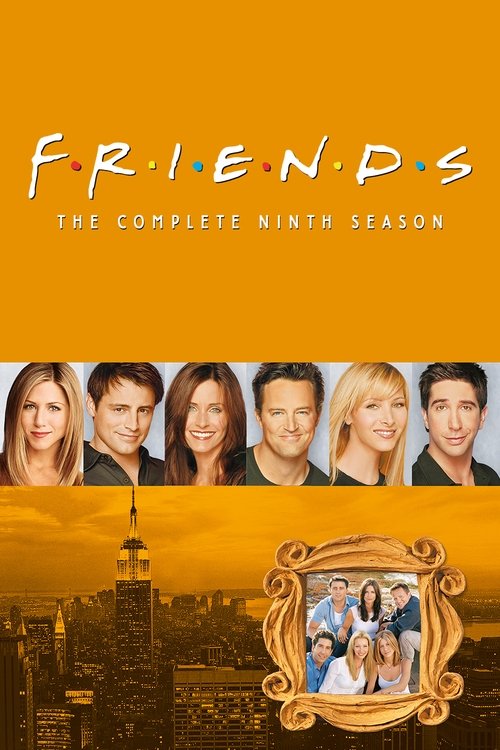
Friends Season 9 exemplifies traditional sitcom storytelling with a sharp focus on entertaining personal dramas like the Ross-Rachel-Joey love triangle, Monica and Chandler's fertility struggles, Phoebe's romances, and baby Emma antics, all delivered through classic humor without any ideological overlay. Progressive elements are minor and incidental: a Black guest star, Charlie Wheeler (Aisha Tyler), appears in the final four episodes as a brief love interest for Joey and Ross, seemingly added to lightly address contemporaneous diversity critiques but without narrative weight, social lectures, or integration into core themes; a lesbian nanny (Melissa George) in one episode sparks minor jealousy but serves comedy rather than advocacy; a male nanny subplot pokes at gender roles but ends with traditional discomfort from Ross. No race/gender-swapping, no explicit critiques of systems, no prominent LGBTQ+ arcs driving plots, and no creator statements emphasizing activism—in fact, retrospective regrets from cast and creators highlight the show's lack of diversity, underscoring the absence of progressive mandates during production. Audience reception celebrates the season's fun and relationships, with zero backlash labeling it 'woke'; modern criticisms target its whiteness and dated jokes, praising the purity of its apolitical entertainment value.