Network / Platform


Frankenstein
movieR
October 17, 2025
Available on:
Frankenstein
movieR
Released:October 17, 2025
3Based
Analysis Score3/10
Agree?
TL;DR Verdict
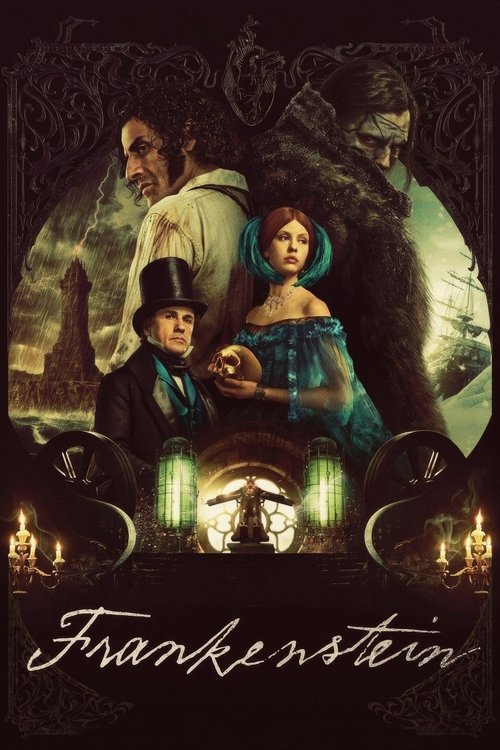
Low woke (3/10): Del Toro's Frankenstein is pure gothic entertainment with organic diversity, timeless themes of hubris and humanity, and zero forced DEI or politics—just stunning visuals and heartfelt storytelling.
Detailed Analysis
Top Cast

3
Oscar Isaac
Victor Frankenstein

4
Jacob Elordi
The Creature

2.5
Christoph Waltz
Harlander

3
Mia Goth
Elizabeth / Claire Frankenstein

3
Felix Kammerer
William Frankenstein

6
Charles Dance
Leopold Frankenstein

3
David Bradley
Blind Man

3
Lars Mikkelsen
Captain Anderson

3
Christian Convery
Young Victor Frankenstein

3
Nikolaj Lie Kaas
Chief Officer Larsen
You Might Also Like
Similar titles you might enjoy