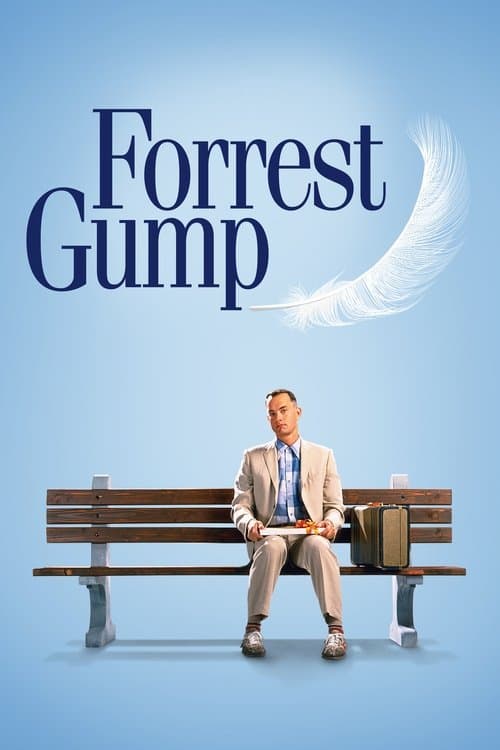
Forrest Gump is a quintessential example of traditional Hollywood storytelling from 1994, focusing on entertainment through an innocent everyman's extraordinary life amid American history, with no discernible progressive ideological influence dominating its narrative, casting, or themes. The plot celebrates patriotism, loyalty, perseverance, and the American Dream via Forrest's childlike purity triumphing over cynicism, without lectures on systemic oppression, identity politics, or social justice activism. Casting is period-appropriate and organic—Tom Hanks as the white Southern protagonist, Mykelti Williamson as Bubba fitting the Vietnam shrimp business arc—with no race-swapping, gender changes, or forced DEI quotas clashing with the source material. Themes touch historical events like Vietnam, civil rights (Forrest desegregating school effortlessly), and AIDS (Jenny's fate), but these are incidental backdrops viewed through a neutral-to-conservative lens that humanizes soldiers and critiques 1960s counterculture excesses, rather than pushing progressive critiques of patriarchy, capitalism, or whiteness. Creators like Robert Zemeckis and Tom Hanks emphasized heartfelt drama over activism, with no interviews touting inclusion mandates. Reception was overwhelmingly positive—six Oscars, box-office smash—with recent backlash coming exclusively from progressive critics decrying it as conservative propaganda or whitewashing history, not for being 'woke.' This purity of focus on timeless entertainment without ideological intrusions makes it a refreshing standout.