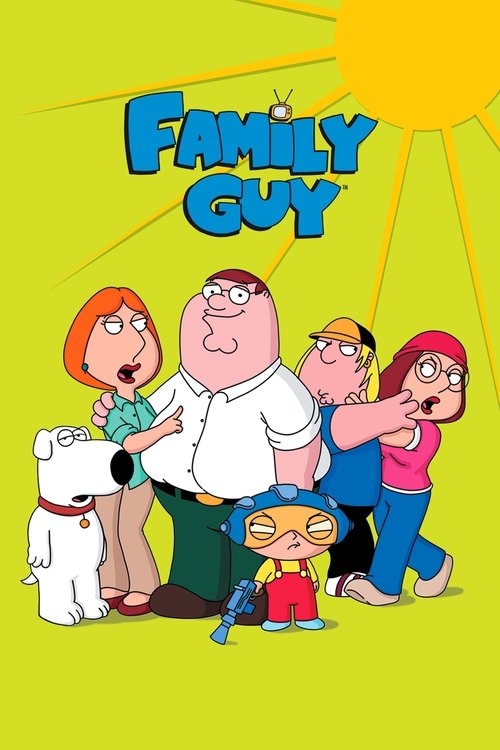
Family Guy Season 3, airing 2001-2003, exemplifies the show's signature irreverent, crude, and absurd humor through cutaway gags and non-sequitur plots focused on the Griffin family's dysfunction, with virtually no progressive ideological influence. Casting remains consistent with original voice actors—primarily white performers like Seth MacFarlane, Alex Borstein, Mila Kunis, and Seth Green—voicing the predominantly white Griffin family and supporting characters, showing no DEI-driven changes or diversity mandates. Themes revolve around slapstick, sex, drugs, and family antics, with minor incidental touches on social issues handled satirically and offensively rather than progressively: 'To Love and Die in Dixie' mocks Southern racism via a forbidden interracial friendship subplot; 'Peter Griffin: Husband, Father... Brother?' ridicules racial heritage claims as Peter absurdly leverages a black ancestor for social perks before rejecting it; 'When You Wish Upon a Weinstein' deploys Jewish stereotypes about money and success, leading to its ban by Fox for antisemitism, not wokeness. No episodes feature race/gender-swapping, LGBTQ+ representation as a focal point, systemic critiques, or lecture moments promoting identity politics or social justice activism. Creator Seth MacFarlane emphasized creative freedom for visual gags without activist intent. Reception praised the humor, with controversies solely for offensiveness (e.g., stereotypes, interspecies bestiality), not for being 'woke'; no audience backlash labels it progressive or DEI-pushed, aligning with the pre-woke era's equal-opportunity offense.