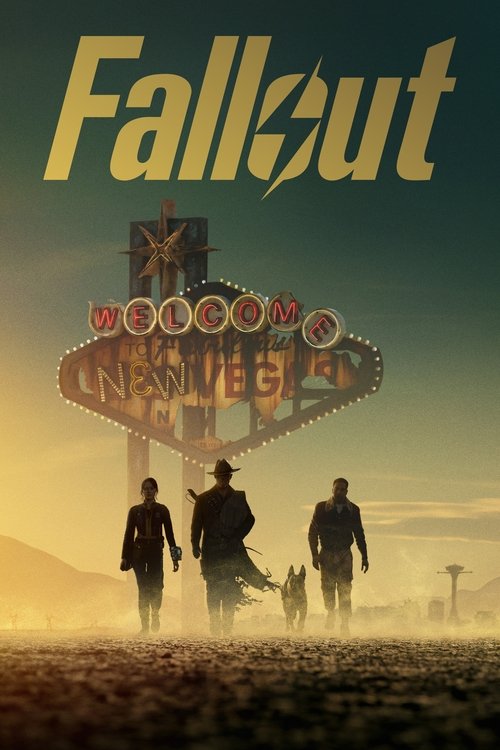
Fallout Season 2 exhibits heavy progressive ideological influence through casting choices, character representations, and narrative alterations that prioritize diversity and identity politics over fidelity to the source material's lore and tone. Returning trans actor Xelia Mendes-Jones as non-binary Brotherhood member Dane receives prominent screentime without narrative justification, turning a techno-fascist faction into an ultra-diverse fratboy comedy group with slapstick antics and unchecked knife fights. Maximus, a black Knight, is depicted as naive or overly protected, while a skinhead-like white Brotherhood member gratuitously challenges him to a fatal duel, injecting racial tension. Early episodes feature near-exclusive non-white casts except for antagonistic whites, evoking 'evil white guy' tropes. Shady Sands is portrayed as a prosperous diverse utopia before its destruction by Vault-Tec's Hank MacLean, retconning New Vegas lore to undermine the NCR's hopeful recovery arc in favor of anti-capitalist messaging via corporate nuking. The Brotherhood devolves into illogical diversity showcases, with power-armored knights fumbling grenades and elders watching brawls. Audience reception is polarized with massive backlash labeling it 'DEI trash,' 'woke slop,' and a 'hate letter to fans' for ruining factions like the Legion, suspecting AI-faked high Rotten Tomatoes scores amid 'go woke go broke' sentiments. These elements dominate early episodes, clashing with the games' gritty post-apocalyptic satire and eliciting widespread criticism for message-driven storytelling over coherent plot or character logic.