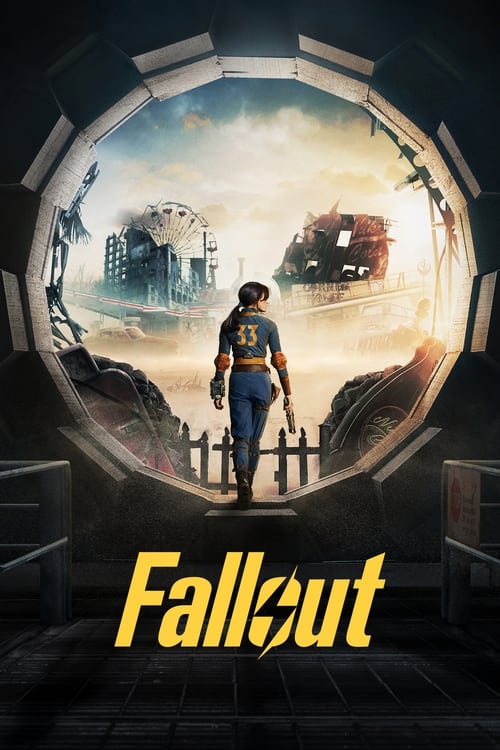
Fallout Season 1 features noticeable but incidental progressive elements primarily through diverse casting and minor representational inclusions that align loosely with the Fallout universe's retro-futuristic diversity without dominating the narrative. Casting includes a black Brotherhood of Steel squire (Maximus), Hispanic vault dweller (Norm), and diverse vault populations with interracial couples, drawing pre-release DEI complaints from fringes who viewed it as forced despite the games' own mixed-race characters and player-customizable identities. A female protagonist (Lucy) sparked backlash as a potential girlboss, but her arc shows naivety, realistic struggles, and growth through violence rather than empowerment lectures. Themes emphasize anti-corporate satire with Vault-Tec as profit-driven apocalypse causers, haves-vs-have-nots divides, and immigration metaphors via vaults, which echo the series' longstanding critiques of capitalism, war, and society but are presented through gleeful weirdness and action rather than overt preaching. Subtle inclusions like a non-binary Brotherhood recruit (Dane, referred to as 'they'), background lesbian dancers at a wedding, and gratuitous male nudity add light LGBTQ+ and body-positive nods, criticized by some as unbelievable in the harsh wasteland but not focal points. No race or gender swaps of canon characters occur as it's an original story. Creators like Jonathan Nolan and Todd Howard emphasize lore fidelity and sociopolitical commentary inherent to Fallout, dismissing fan-pleasing as a fool's errand while confirming canonicity; actress Ella Purnell rejects 'woke' labels, tying politics to the games' DNA. Reception was overwhelmingly positive (8.5/10 IMDb, 100M viewers, awards), with woke accusations limited to vocal minorities on Reddit/Steam/X overshadowed by praise for entertainment value, indicating elements feel organic and non-disruptive.