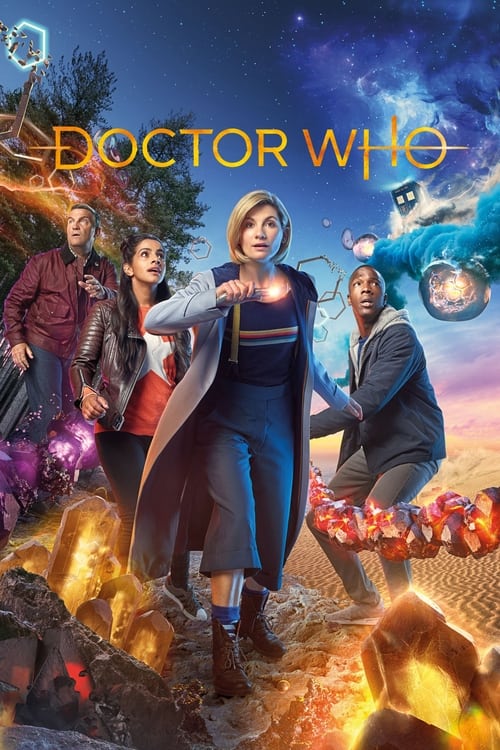
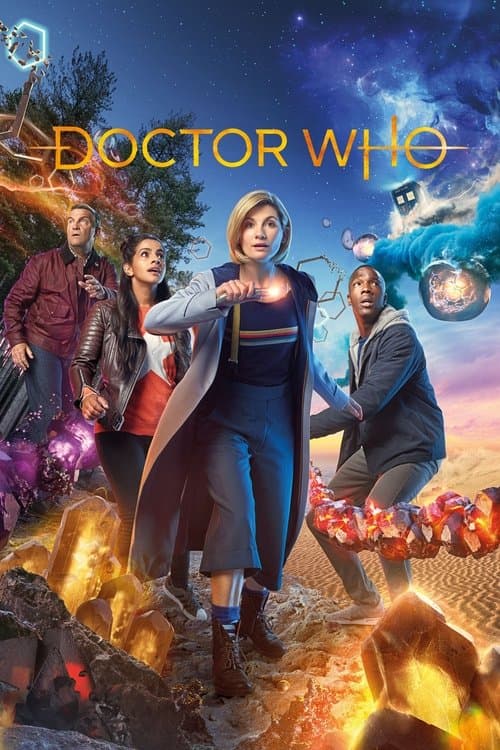
Doctor Who Season 11 marks the beginning of Chris Chibnall's era, heavily infused with progressive ideology that prioritizes social justice messaging, identity politics, and forced inclusivity over compelling storytelling and fidelity to the show's legacy. The most glaring intrusion is the gender-swapping of the Doctor to Jodie Whittaker, the first female incarnation, presented without narrative justification beyond a vague regeneration, sparking immediate backlash as a blatant DEI stunt that alienated core fans expecting the traditional Time Lord archetype. Companions exemplify checkbox diversity: Yasmin Khan (South Asian Muslim-coded), Ryan Sinclair (black with dyspraxia disability arc), and Graham O'Brien (token older white male), with plots awkwardly shoehorning their identities into arcs that feel contrived. Episodes dominate with lecture-heavy progressive themes—'Rosa' fixates on civil rights and racism via Rosa Parks, 'Demons of the Punjab' preaches against partition violence and immigrant prejudice, 'Kerblam!' skewers capitalism through an Amazon parody critiquing automation and worker exploitation, 'Arachnids in the UK' attacks environmental pollution from corporations, and even lighter fare like 'The Tsuranga Conundrum' features a pregnant man for non-traditional identity rep. Chibnall openly touted the season as the 'most inclusive show on television,' hiring the first writers of color and vowing real-world issue focus, confirming activist intent that sacrificed plot coherence for sermons. Reception cratered with Rotten Tomatoes audience score at 46% (lowest ever), plummeting ratings, and widespread viewer exodus labeling it 'woke trash,' 'boring PC rubbish,' and proof of 'go woke go broke,' as messaging overwhelmed entertainment value, turning a timeless sci-fi adventure into a BBC propaganda vehicle.