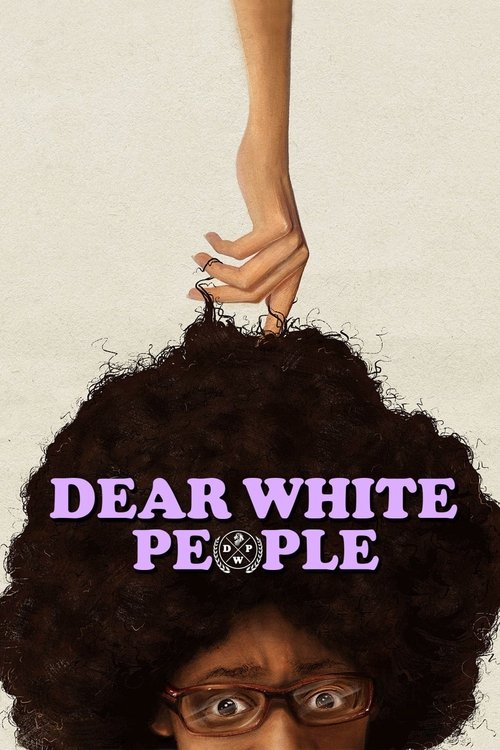
Dear White People is saturated with progressive ideological elements that dominate its storytelling, transforming what could have been a neutral campus satire into a vehicle for identity politics and racial grievance messaging. The plot revolves around a blackface Halloween party at a fictional Ivy League college, serving as a thinly veiled allegory for real-world cultural appropriation controversies, complete with microaggressions, white privilege critiques, and campus activism. Characters like Sam, the biracial radio host of 'Dear White People,' deliver direct lectures on racial insensitivity and systemic racism, turning dialogue into sermonizing that prioritizes scolding white audiences over organic comedy or drama. Casting features predominantly Black leads in a predominantly white setting, which aligns with the narrative but amplifies the film's role as a diversity showcase amid identity struggles like colorism and assimilation vs. activism. Director Justin Simien's intent was explicitly activist, drawing from personal frustrations with everyday racism to provoke conversations on race, resulting in a film that feels more like a manifesto than entertainment. Reception reveals the damage: critics lavished praise (91% RT), but audiences recoiled at the preachiness (62% RT), branding it anti-white propaganda and racial tension-stroker, with backlash over the title sparking boycott petitions. These intrusions compromise the film's entertainment value, fracturing humor with heavy-handed moralizing and alienating viewers beyond progressive echo chambers.