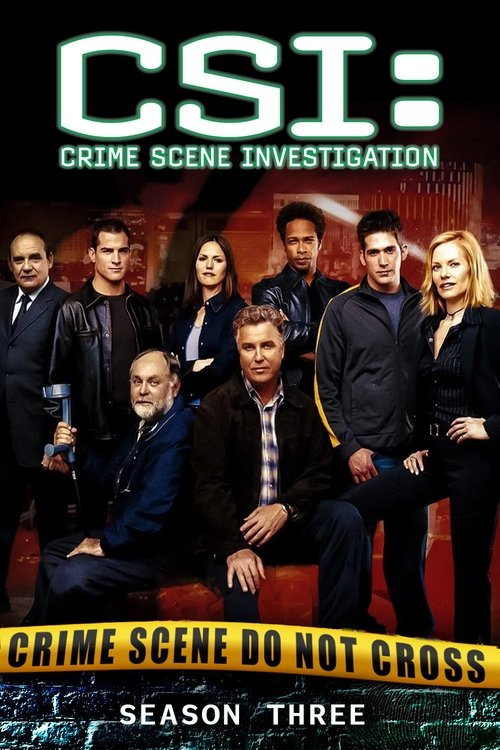
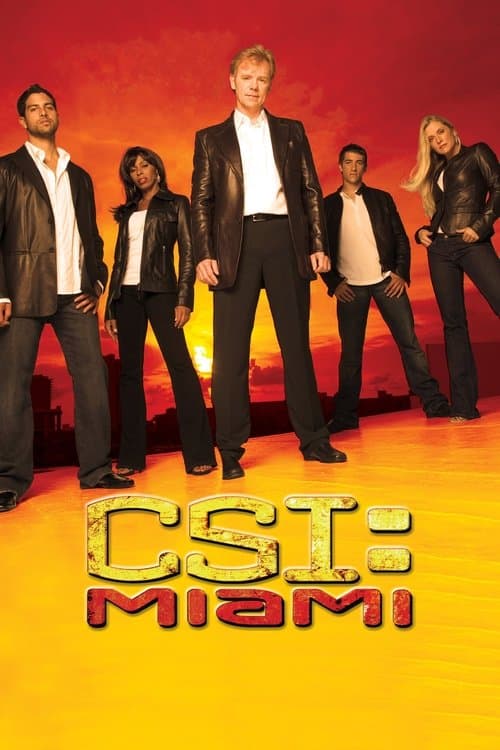
CSI: Crime Scene Investigation Season 3 is a classic example of early 2000s network procedural television, delivering gripping forensics-focused mysteries and character-driven personal arcs without injecting contemporary progressive ideology. The diverse cast—including strong female leads like Catherine Willows and Sara Sidle, and Gary Dourdan's Warrick Brown—feels organically integrated into the Las Vegas crime lab setting, reflecting standard broadcast TV representation at the time rather than forced DEI mandates. Episodes center on twisty cases like rigged boxing matches, snuff films, magicians' tricks gone wrong, and mob violence, with forensics always taking precedence over social lectures. Minor incidental touches on issues like disability discrimination in 'Snuff' (a bigoted cowboy bullying a man with Down syndrome) or subtle racial profiling implications in Warrick's emotional bias during a drive-by case are resolved through objective evidence-gathering, not activist messaging or systemic critiques. Personal stories, such as Grissom's hearing loss or Catherine's family crises, emphasize individual resilience and professional duty. There are no race/gender-swaps, prominent LGBTQ+ focal points, creator-stated progressive intent, or audience backlash decrying 'wokeness'—just pure entertainment value that prioritizes puzzle-solving thrills, making it a refreshing escape from politicized modern reboots.