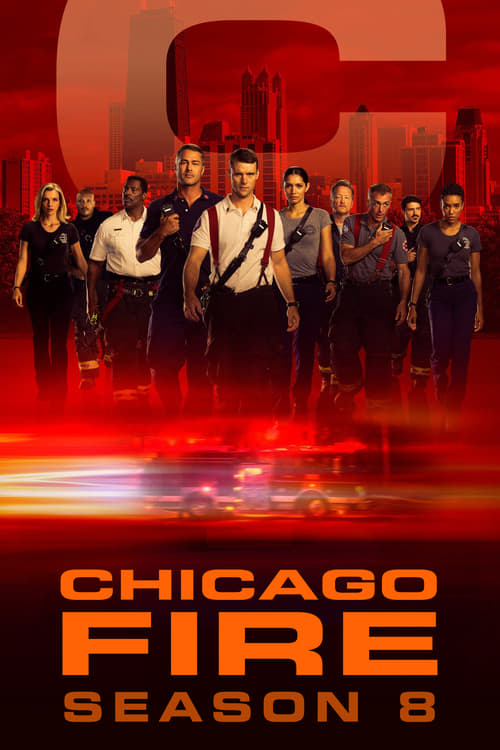
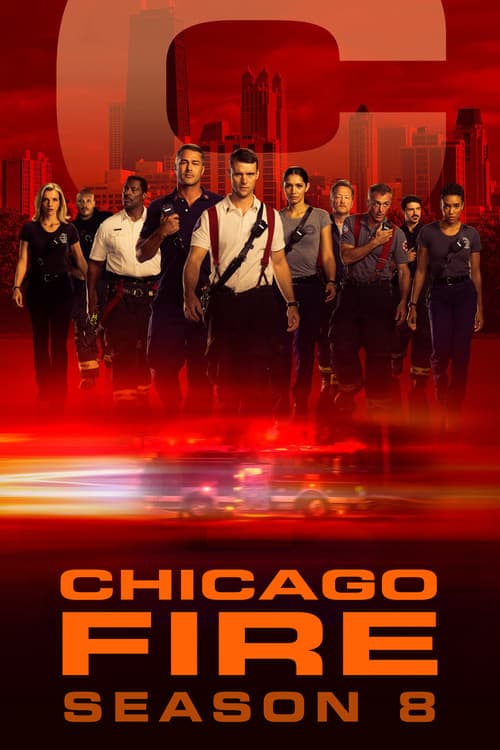
Chicago Fire Season 8 maintains its focus on traditional firefighting action, personal relationships, and dramatic rescues, with virtually no overt progressive ideological intrusion. The cast features organic diversity reflective of a modern Chicago firehouse, including actors like Joe Miñoso, Miranda Rae Mayo, Eamonn Walker, Alberto Rosende, and Annie Ilonzeh, but these choices feel incidental and integrated naturally without altering core character dynamics or source material (as it's an original series). New additions like Rosende as Gallo and Hanako Greensmith as Violet Mikami add representation but prioritize storytelling over identity politics. Minor elements include a women's-only lounge created by female firefighters in one episode (8x06), which is light and practical rather than a lecture on patriarchy, and a single protester storyline in 8x19 'Light Things Up,' where activists chain themselves to fire trucks, disrupting emergency responses—this portrays the protesters as obstructive 'rabble-rousers,' siding firmly with the firefighters and avoiding sympathy for social justice causes. No explicit critiques of systemic issues, identity-focused arcs, or creator-stated activist intent appear. Audience reception notes the season felt 'flat' due to emotional arcs like Otis's death and COVID truncation, but lacks significant backlash over wokeness, allowing the show to deliver unadulterated entertainment value through courage, resilience, and heroism.