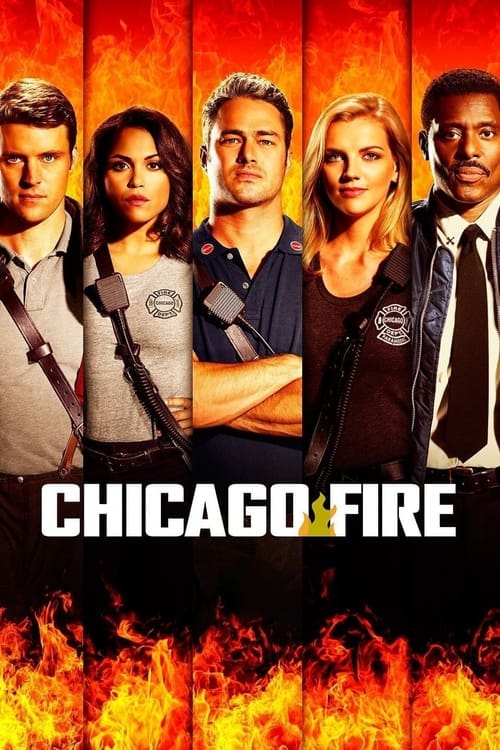
Chicago Fire Season 5 delivers classic procedural drama centered on high-stakes firefighting rescues, personal relationships, grief, leadership challenges, and team loyalty, with no discernible progressive ideological influence overpowering the entertainment. Storylines revolve around organic character arcs like Casey and Dawson's adoption struggles, Severide's family crises, and Boden's professional decisions, emphasizing sacrifice and camaraderie without injecting social justice lectures, identity politics, or systemic critiques. Casting features a diverse ensemble reflective of Chicago's demographics—such as Black Chief Boden, Latino Cruz and Dawson, and Black firefighter Stella Kidd—but these elements feel incidental and integrated naturally into the firefighting world, without race-swapping, forced inclusions clashing with the source material (as it's an original series), or spotlighting identities as focal points. No creator interviews tout activist intent, and audience reception shows zero backlash labeling it 'woke' or citing DEI overreach; instead, the season is praised for its thrilling action and emotional depth unmarred by contemporary activism. This purity of focus on universal human drama and heroism makes it a standout example of timeless television entertainment.