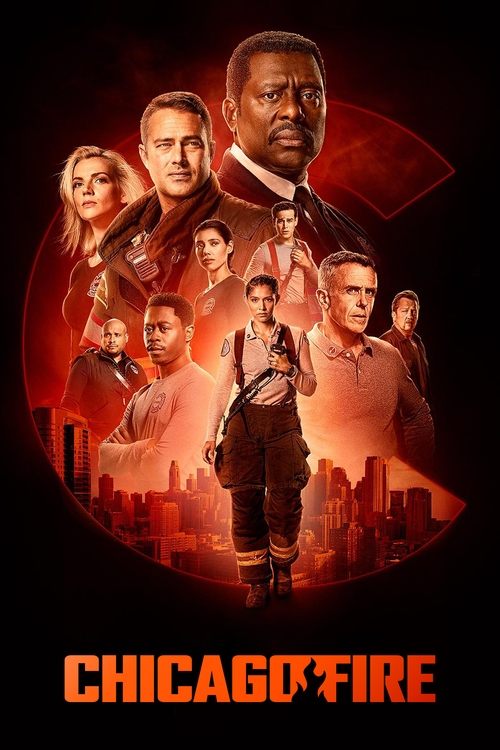
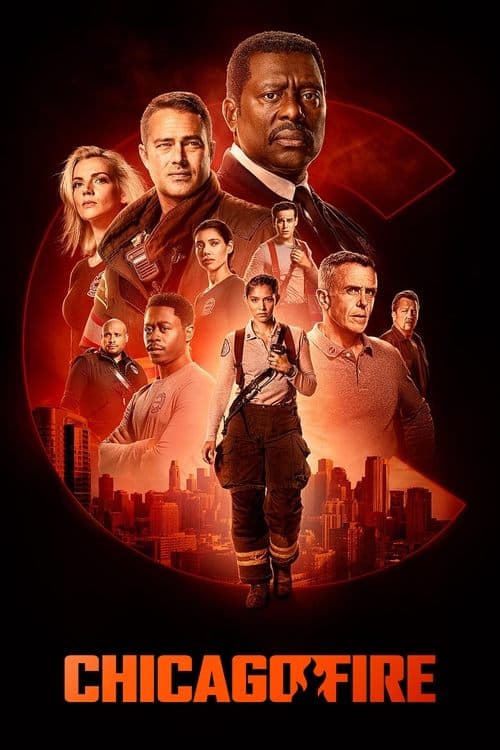
Chicago Fire Season 11 maintains its focus on high-stakes firefighting action, interpersonal drama, and character-driven stories at Firehouse 51, with virtually no overt progressive ideological intrusion. The cast features a diverse ensemble that has been consistent since the show's inception, including longstanding characters like black Chief Boden, Hispanic Joe Cruz, black Daniel Kyri's Ritter, Asian Hanako Greensmith's Violet, and black Miranda Rae Mayo's Stella Kidd, feeling organic to the Chicago setting rather than forced DEI mandates. Minor elements like Stella's Girls on Fire program, which encourages young women into firefighting, appear incidentally in one episode as a reflective moment on a graduate, without dominating plots or turning into lectures on gender barriers. Other social touches, such as an infant safe surrender box or paramedicine funding fights, integrate naturally into emergency response narratives without identity politics or systemic critiques. No race/gender-swaps, LGBTQ focal points, or creator-stated activism; controversies center on plot choices like character returns or exits, not ideology. Audience reactions show no widespread 'woke' backlash, praising the entertainment value and heroism. This season exemplifies traditional procedural storytelling unburdened by contemporary social justice activism, delivering pure escapist thrills.