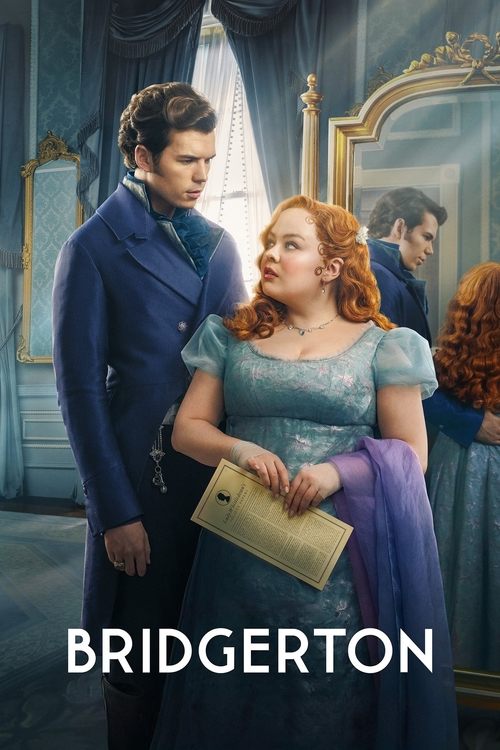
Bridgerton Season 3 exemplifies heavy progressive ideological influence through its persistent color-blind casting that imposes modern racial diversity onto Regency-era British aristocracy, clashing dramatically with historical and source material realities—Black and South Asian actors portray high-society figures like Queen Charlotte without narrative justification, turning the show into a DEI showcase rather than authentic escapism. This extends to unjustified alterations like gender- and sexuality-swapping Francesca Bridgerton's book romance from straight Michael Stirling to queer Michaela Stirling, prioritizing LGBTQ+ representation over fidelity and sparking fan backlash for pandering. Creator Shonda Rhimes doubles down on this activism, dismissing 'woke' critiques as 'cute' or 'bizarre' while emphasizing inclusivity mandates, queerness, and body positivity via Nicola Coughlan's plus-size Penelope—elements that infuse subplots and visuals but dilute storytelling depth, sidelining POC characters like Kate Sharma and the Mondriches as tokenistic afterthoughts. Audience reactions reveal polarization: while critics praise it superficially, genuine fans decry the forced diversity, superficial integration, and ideological intrusions that compromise romance and quality, fueling 'go woke go broke' sentiments amid declining cultural buzz.