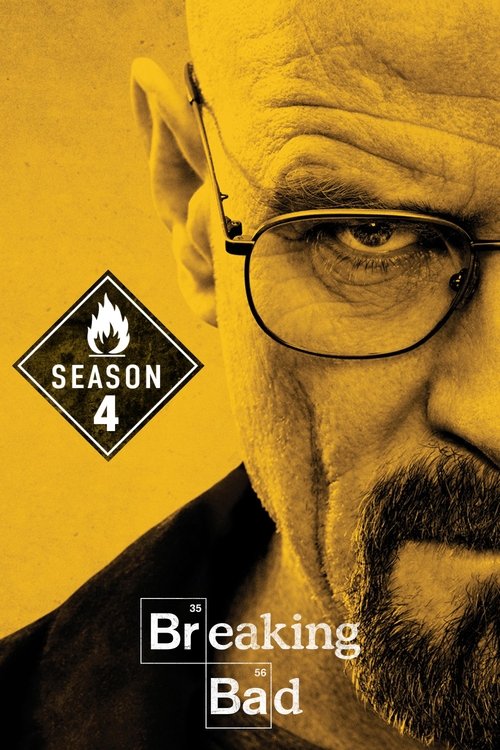
Breaking Bad Season 4 features no discernible progressive ideological influence, focusing instead on intense character-driven drama centered on Walter White's escalating conflict with Gus Fring, Jesse's moral struggles, and Skyler's pragmatic involvement in money laundering amid family tensions. Storytelling prioritizes moral ambiguity, power dynamics, and consequences of crime without injecting identity politics, systemic oppression narratives, or social justice lectures. Casting is organic to the Albuquerque meth trade setting, with Giancarlo Esposito's Gus as a sophisticated villain fitting the role despite minor nitpicks on accent realism, but no evidence of race/gender swaps, DEI mandates, or forced diversity clashing with source logic. Vince Gilligan's intent emphasizes transformation and anti-hero arcs, not activism. Audience reception hails it as peak television for tension and writing, with criticisms from some quarters accusing the show of Latino stereotypes or insufficient BIPOC leads—ironically the antithesis of woke messaging—rather than backlash for preachiness. No creator statements promote inclusion quotas or norm-challenging; the season's success stems from entertainment value alone.