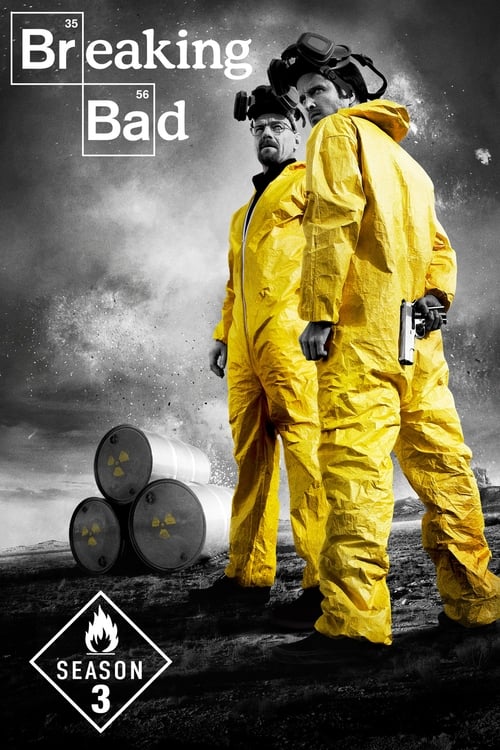
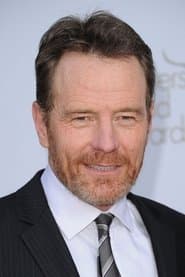
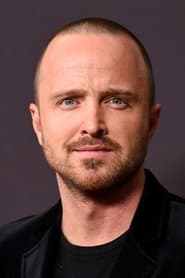
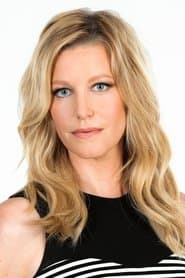
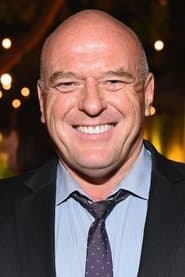
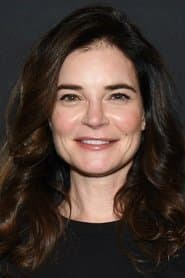
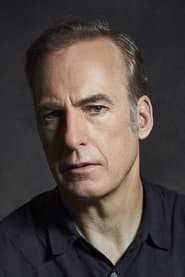
Breaking Bad Season 3, airing in 2010, exemplifies traditional prestige television with a focus on individual moral descent, family dysfunction, and criminal ambition in a realistic Albuquerque setting, devoid of progressive ideological messaging. Casting features a predominantly white nuclear family core (Cranston, Paul, Gunn, Mitte, Norris, Brandt) that aligns organically with the story's suburban milieu, while Giancarlo Esposito's portrayal of Gus Fring—a polished Chilean cartel leader—introduces measured diversity fitting the Southwestern drug trade context without race- or gender-swapping source material (original IP). No evidence of DEI mandates or forced inclusion; Esposito's role was critically acclaimed for performance, not identity checkboxes. Themes center on Walt's ego-driven transformation, Jesse's vulnerability, and cartel violence, emphasizing personal agency and consequences over systemic critiques of racism, patriarchy, or capitalism—contrary to some retrospective academic analyses decrying minority stereotypes, which reflect viewer interpretations rather than show intent. Absent are LGBTQ+ focal points, feminist lectures, or social justice arcs; female characters like Skyler serve narrative foils prompting audience misogyny backlash, not empowerment. Creator Vince Gilligan's interviews stress character evolution and drama, with no activist rhetoric. Reception highlights masterful storytelling, with zero contemporary 'woke' controversies or 'go woke go broke' sentiments; modern parodies mock hypothetical woke remakes, underscoring the original's neutrality.