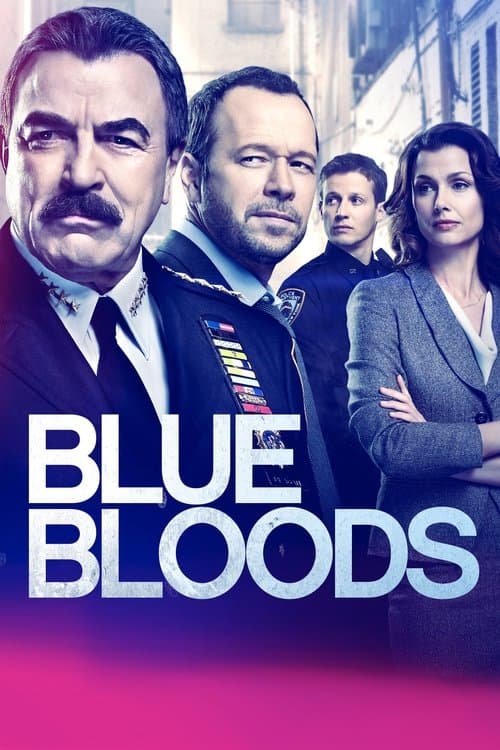
Blue Bloods Season 9 maintains the show's longstanding commitment to traditional law-and-order storytelling, family values, and pro-police narratives without injecting progressive ideological elements as central drivers. Casting remains consistent with the established ensemble, featuring organic diversity reflective of New York City through supporting characters like Latina activist Corey Vallejo and Black officer Maya Thomas, but these feel incidental and integrated naturally without clashing with the source material or prioritizing identity over competence. Episodes occasionally touch on modern tensions, such as Frank facing a 'reverse racism' accusation for a merit-based promotion of an Asian American officer or dealing with disruptive activists staging protests, but resolutions affirm police integrity, meritocracy, and accountability for bad actors within the force rather than critiquing systemic issues. There are no race/gender-swaps, LGBTQ+ focal points, overt social justice lectures, or creator statements pushing activism. Audience reception shows no significant backlash labeling the season 'woke'; instead, the series is praised for staying true to its conservative roots amid broader industry shifts. This season exemplifies entertaining, apolitical procedural drama that prioritizes compelling cases and Reagan family dynamics over contemporary identity politics.