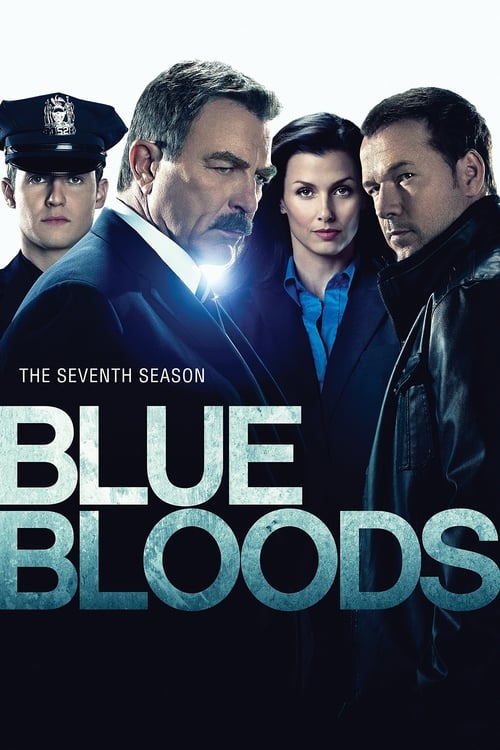
Blue Bloods Season 7 maintains its traditional police procedural format centered on the conservative Reagan family upholding law and order, with family dinners featuring balanced debates where liberal viewpoints from characters like Nicky are routinely countered by pro-police perspectives. Storytelling prioritizes entertainment through crime-solving and personal accountability, with incidental progressive elements like episodes touching on racial profiling, immigration, whistleblowers exposing police abuse, and community tensions (e.g., reconciliation between Frank and a black reverend after a shooting). These are handled in a measured way, critiquing individual bad actors within the NYPD rather than indicting systemic issues, and resolutions affirm police integrity. Supporting cast includes organic diversity for a NYC setting—recurring black characters like Reverend Potter and gang leader Mario Hunt, a Latina activist—but no forced DEI changes, race/gender swaps, or focal identity politics in the core cast. No prominent LGBTQ representation, overt social justice lectures, or creator activism pushing contemporary mandates; reception lacks any 'woke' backlash, instead drawing praise from conservative audiences for its pro-cop stance amid real-world controversies. This keeps the season refreshingly apolitical in emphasis, delivering solid entertainment without ideological intrusions.