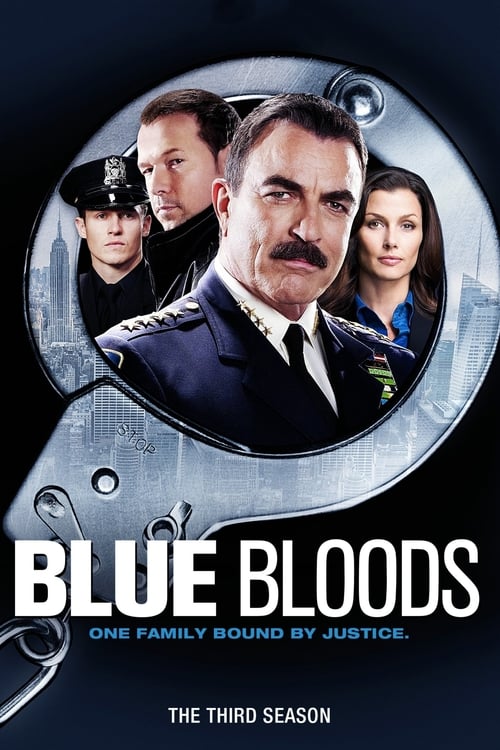
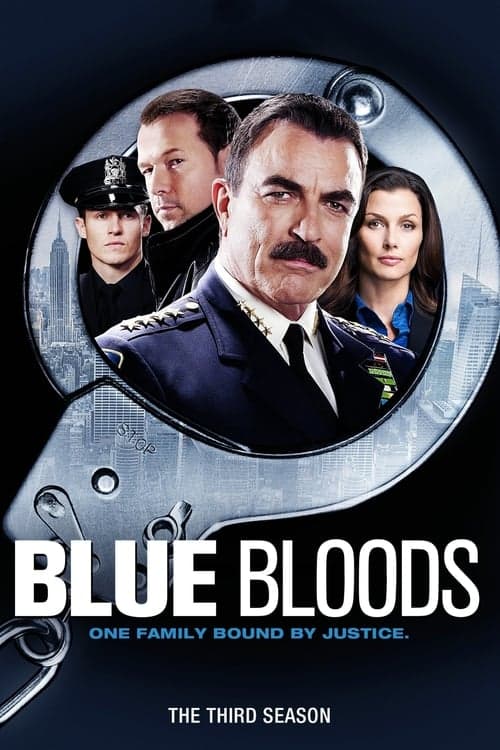
Blue Bloods Season 3 exemplifies traditional, entertainment-focused police procedural storytelling centered on the Reagan family's law enforcement duties, Catholic-rooted family values, and pro-police narratives, with virtually no overt progressive ideological intrusion. The season features standard crime-solving episodes emphasizing justice, loyalty, and moral dilemmas without lectures on systemic oppression or identity politics. Casting remains predominantly white and aligned with the Irish-American cop family premise, with partner changes (e.g., Jennifer Esposito's exit due to a non-political health dispute, introduction of Latina actress Marisa Ramirez) feeling organic to the procedural format rather than DEI mandates. Minor incidental elements include a few episodes touching on contemporary issues like stop-and-frisk protests (S3E17 'Protest Too Much'), interfaith relationships (S3E19), housing projects in minority areas, and a bigoted speaker countered by diverse security (S3E13), but these are brief, balanced, and subordinate to pro-NYPD resolutions without compromising entertainment value. No race/gender swaps, prominent LGBTQ+ arcs, or creator activism; reception was positive with no notable woke backlash, praising the show's straightforward appeal.