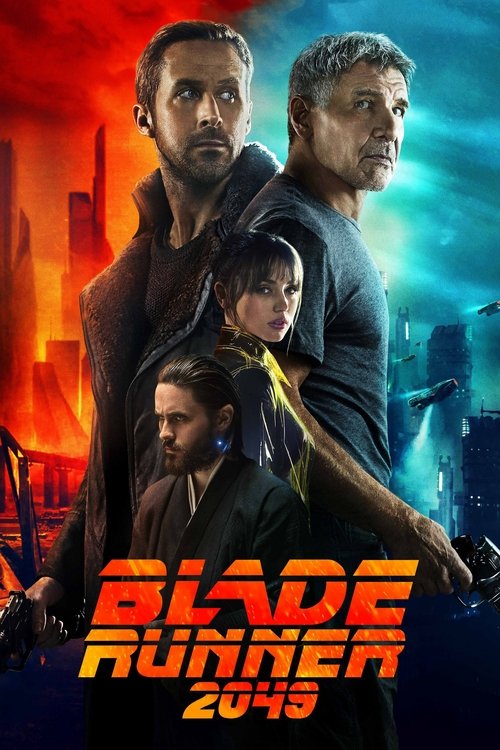
Blade Runner 2049 maintains the philosophical sci-fi essence of the original, centering on timeless questions of humanity, identity, memory, and existential isolation through Officer K's journey and the replicant miracle birth, without embedding contemporary social justice activism as a core driver. Casting features a mix of actors including Ryan Gosling and Harrison Ford as leads, with supporting roles like Ana de Armas and Dave Bautista providing incidental diversity that feels organic to a futuristic setting and does not alter source material or prioritize identity over story. Themes of replicant oppression echo the original film's neutral metaphor for slavery and discrimination but remain philosophical rather than lectures on systemic racism, patriarchy, or identity politics. No race-swaps, gender-swaps, or prominent LGBTQ+ elements disrupt the narrative; instead, progressive critics attacked the film for misogyny and objectification of female characters like Joi and Luv, prompting director Denis Villeneuve to defend its dystopian realism rather than tout inclusion mandates. Audience reception focused on visual spectacle and pacing issues, with no significant 'woke' backlash or 'go woke go broke' narrative tied to ideology. This purity of entertainment-focused storytelling, free from activist intrusions, makes it a standout example of traditional sci-fi excellence.