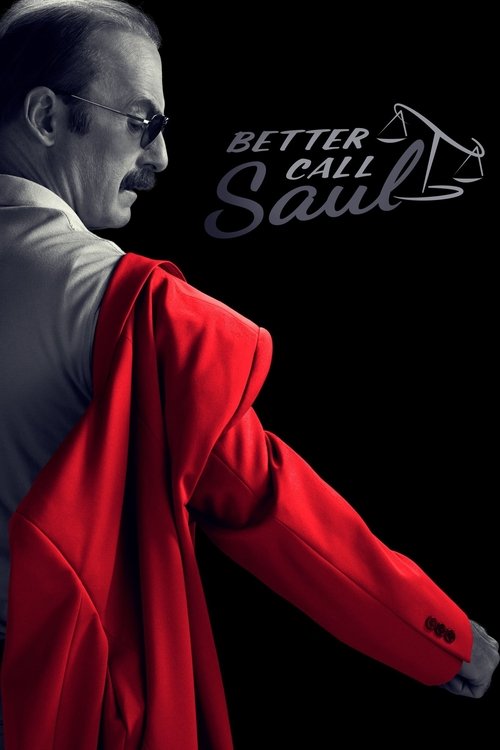
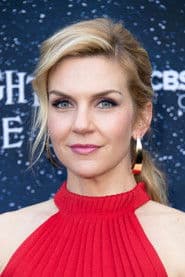
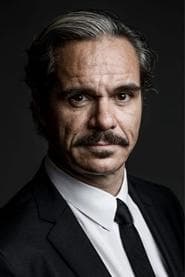
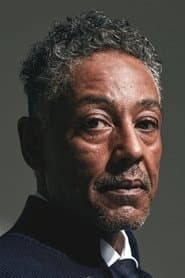
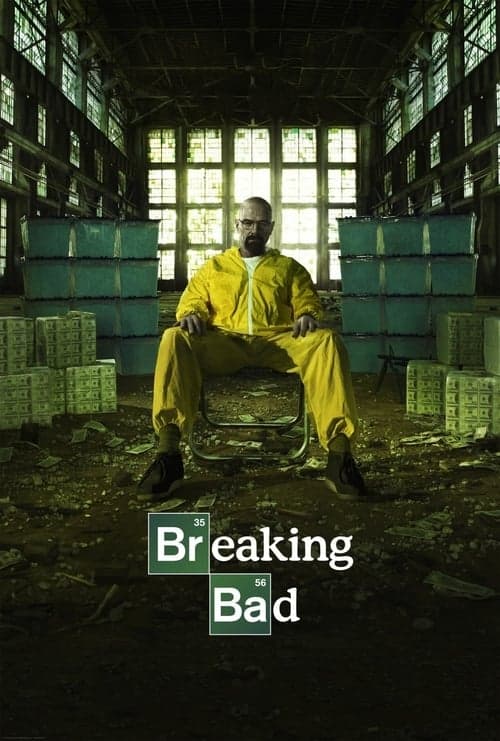
Better Call Saul Season 6 exhibits virtually no prominent progressive ideological influence, maintaining its focus on intricate character studies, moral ambiguity, cartel violence, and legal machinations without injecting social justice messaging or identity politics. Casting remains consistent with prior seasons, featuring organic diversity such as Latino characters in the cartel storyline (e.g., Lalo, Nacho) and Giancarlo Esposito as Gus Fring, with no race-swapping, gender swaps, or forced DEI hires evident or criticized. A single flashback scene subtly confirms Gus Fring's homosexuality via his relationship with David, adding backstory depth to an established villain but not making LGBTQ+ identity a plot driver, focal point, or source of activism. Kim Wexler, played by Rhea Seehorn, continues as a strong, independent female lead navigating professional challenges and personal ethical crises, with incidental nods to workplace gender dynamics that feel authentic to the 2000s legal setting rather than feminist lecturing. No creator interviews from Vince Gilligan or others emphasize inclusion mandates, challenging norms, or activist intent; emphasis is on storytelling excellence. Reception is overwhelmingly positive with critical acclaim and no notable audience backlash labeling it 'woke,' 'DEI slop,' or 'go woke go broke'—anti-woke complaints are rare, satirical, or dismissed on platforms like Reddit and X. Progressive elements are minor, incidental, and seamlessly integrated without dominating or compromising narrative quality.