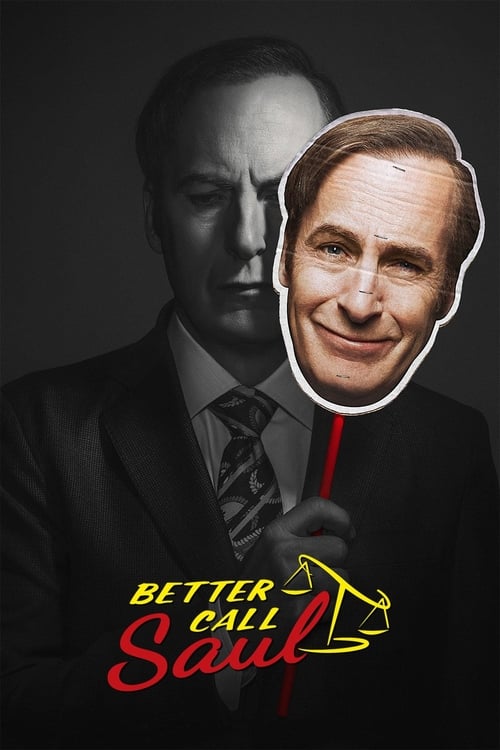
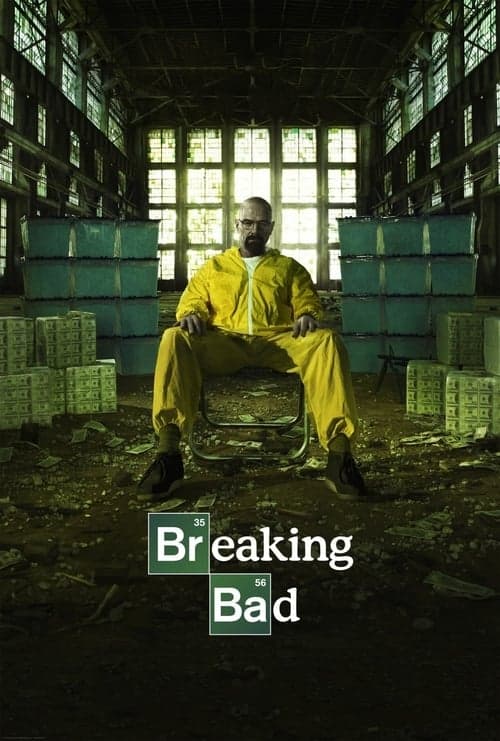
Better Call Saul Season 4 exhibits virtually no progressive ideological influence, maintaining a tight focus on character-driven crime drama, moral ambiguity, and personal tragedy without injecting contemporary social justice messaging. Storytelling centers on Jimmy McGill's grief over Chuck's suicide, his descent into Saul Goodman via scams like the elderly pro bono scheme, Kim Wexler's professional struggles, Mike's empire-building, and Gus Fring's cartel maneuvers—pure entertainment rooted in individual choices and consequences, with no lectures on systemic racism, patriarchy, or identity politics. Casting is consistent with the Breaking Bad universe and Albuquerque setting: white leads like Bob Odenkirk and Rhea Seehorn alongside organic diversity via Giancarlo Esposito (Gus) and Michael Mando (Nacho), fitting the Mexican cartel elements without race/gender swaps or DEI mandates. No creator statements from Vince Gilligan or Peter Gould indicate activist intent; they are praised for apolitical writing. Reception is overwhelmingly positive (near-perfect critic scores), with zero significant backlash labeling it 'woke'—instead, rare progressive critiques decry it for 'centering whiteness' and lack of diversity, underscoring its traditional neutrality. Minor incidental elements, like subtle implications of Gus's queer past (hinted later, not focal in S4), do not drive narrative or prominence.