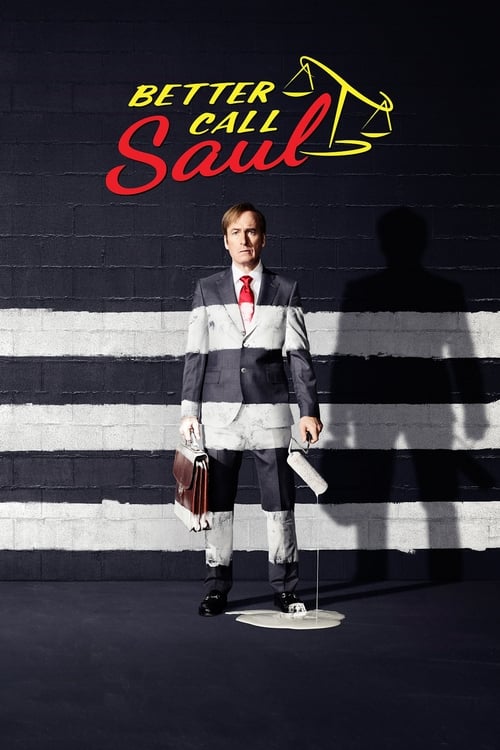
Better Call Saul Season 3 centers on Jimmy McGill's desperate schemes to salvage his law career, his fracturing relationship with brother Chuck, Kim Wexler's professional ambitions, and Mike Ehrmantraut's deepening cartel ties, delivering a tightly plotted character study of moral ambiguity and consequences without any overt progressive ideological messaging. Casting remains faithful to the Breaking Bad universe with predominantly white leads like Bob Odenkirk, Rhea Seehorn, Jonathan Banks, Michael McKean, and Patrick Fabian, alongside Hispanic cartel figures like Hector Salamanca, feeling organic to the New Mexico setting rather than forced DEI quotas; no race-swapping, gender-swapping, or unjustified diversity changes. Themes emphasize personal ethics, family betrayal, and criminal escalation, eschewing systemic critiques of patriarchy, capitalism, or identity politics—no lecture moments, prominent LGBTQ+ arcs, or social justice subplots. Kim Wexler garners some retrospective feminist praise for her independence, but her arc drives the story through ambition and loyalty, not activist empowerment. Creators Vince Gilligan and Peter Gould show no evidence of progressive intent in interviews, focusing on narrative craft. Reception is universally acclaimed for storytelling excellence, with zero 'woke' backlash; instead, scattered left-leaning critiques decry the show's 'centering whiteness' and stereotypical POC villains, underscoring its traditional, entertainment-first approach.