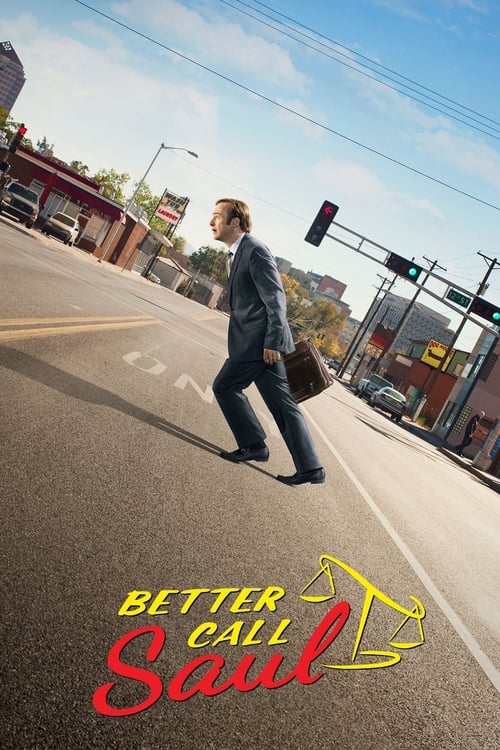
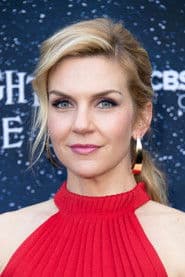
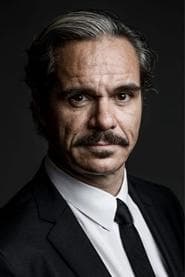
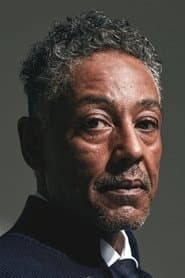
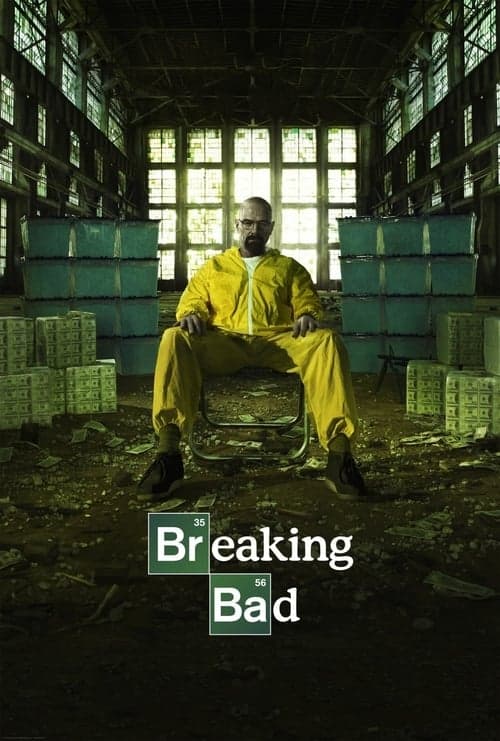
Better Call Saul Season 2 features no discernible progressive ideological influence in its storytelling, casting, themes, or reception. The narrative centers on Jimmy McGill's moral descent into criminal lawyering, family betrayals like the conflict with brother Chuck, and relationships strained by ambition, with zero social justice lectures, systemic critiques, or identity politics. Plot points like elder care scams, cartel tensions, and office politics are driven by character flaws and personal stakes, not activism. Casting is organic to the early-2000s Albuquerque legal/criminal world: predominantly white male leads (Odenkirk, Banks, McKean, Fabian) reflect the setting without race- or gender-swapping source material (original story). Supporting roles include Hispanic actors like Michael Mando fitting the cartel context and Rhea Seehorn as competent lawyer Kim Wexler, whose independence is portrayed through professional grit, not feminist messaging. No prominent LGBTQ+ representation or DEI-driven changes. Creators Vince Gilligan and Peter Gould show no activist intent in interviews. Reception is universally acclaimed for writing and performances, with no woke backlash or 'go woke go broke' narratives; any 'feminist' labels for Kim are retrospective praise for strong writing, not ideological imposition. Later seasons drew minor diversity complaints, but Season 2 remains purely entertainment-focused.