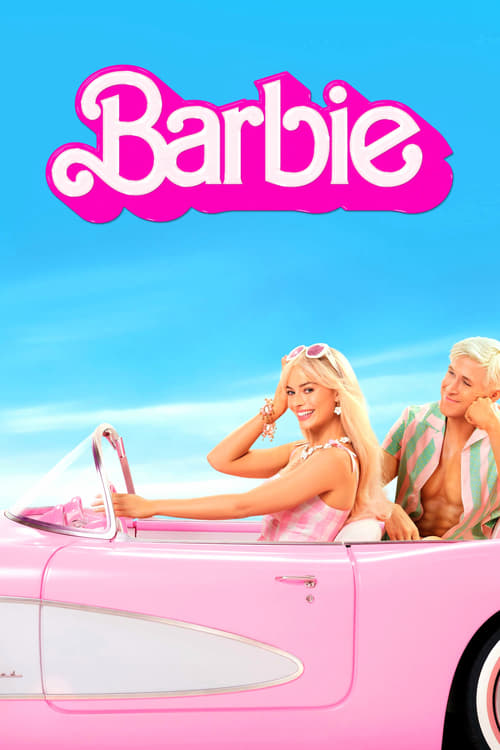
The Barbie movie is saturated with progressive ideological elements that dominate its storytelling, transforming a lighthearted doll fantasy into a heavy-handed feminist manifesto. Central to the plot is an overt critique of patriarchy, portrayed as the root of all gender ills: Barbieland's idyllic matriarchy is upended when Ken discovers 'patriarchy' in the real world and attempts to impose it, only for the film to restore female supremacy through empowerment speeches and manipulation. America Ferrera's extended monologue explicitly lectures on the impossible contradictions women face under patriarchal systems—being pretty yet not threatening, strong yet agreeable—serving as a blatant social justice sermon that halts the narrative for ideological delivery. Casting amplifies this with a diverse array of Barbies, including trans actress Hari Nef as Doctor Barbie and multiple women of color in prominent roles like Issa Rae as President Barbie, which some viewers criticized as performative DEI checkboxes despite the doll theme providing loose justification. Director Greta Gerwig openly declared the film feminist, emphasizing themes of representation and challenging gender norms in interviews, confirming activist intent over pure entertainment. While commercially triumphant, it provoked substantial backlash from audiences decrying it as anti-men propaganda, feminazi brainwashing unsuitable for children, and peak 'woke' preachiness that prioritizes messaging over cohesive storytelling, alienating traditional viewers and fueling 'go woke go broke' rhetoric—though its success ironically amplified the cultural divide.